Meet the world's largest reptile
If you've ever paddled a creek in Far North Queensland, you've shared the water with the planet's biggest living reptile. The Saltwater Crocodile, or "saltie" as they are known locally, has patrolled the waterways of the Daintree for millions of years, long before the rainforest around it took shape. Here's what makes this ancient predator so remarkable, and why protecting their home matters.
What is a saltwater crocodile?
The Saltwater Crocodile (Crocodylus porosus) is also called the estuarine crocodile, a name that points to where they prefer to live: the brackish waters where rivers meet the sea. Despite the name, salties aren't limited to salt water. They move comfortably between the ocean, tidal estuaries, mangrove creeks and freshwater billabongs, often travelling long distances along the coast on ocean currents.
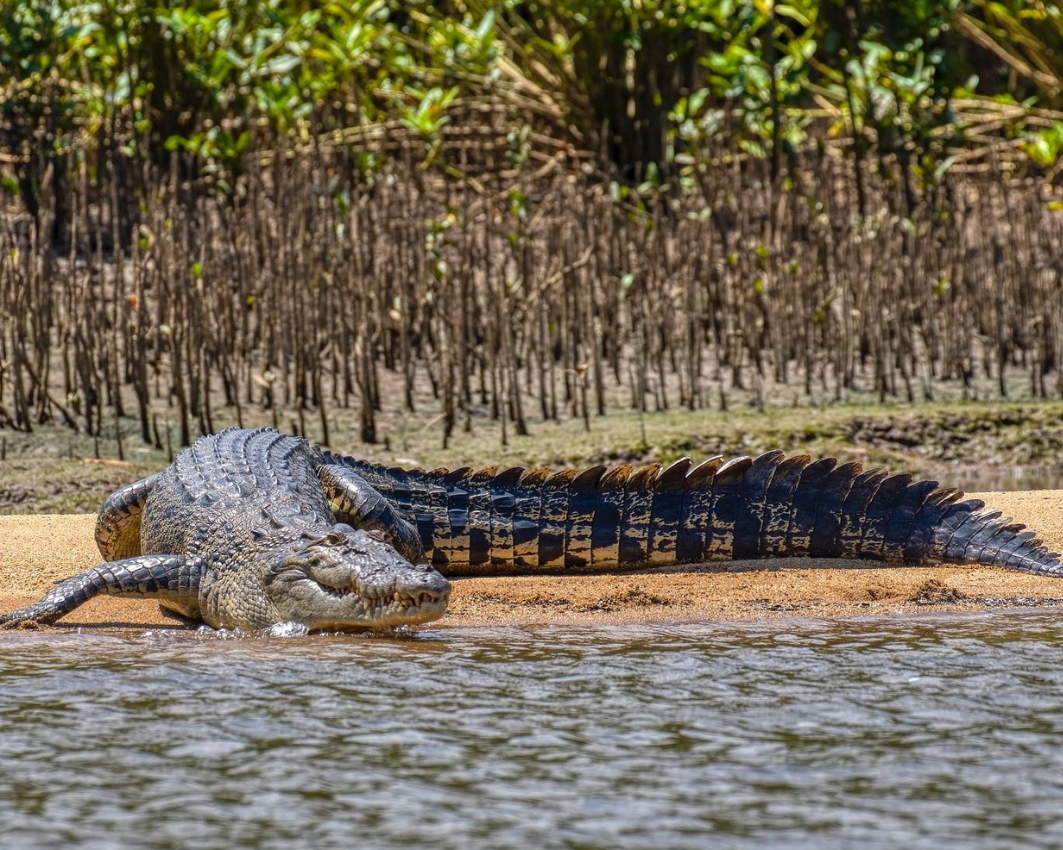
Estuarine crocodile (Crocodylus porosus)
Salties are true survivors. Their body plan has barely changed in tens of millions of years, and they've outlasted countless other species by being supremely well adapted to ambush hunting, armoured, powerful and almost perfectly still until the moment they strike.
How big do saltwater crocodiles get?
Saltwater Crocodiles are, by a wide margin, the largest reptile on Earth. Mature males typically reach 4 to 5 metres in length, with some old, dominant individuals growing beyond 6 metres and weighing over 1,000 kilograms. Females are considerably smaller, usually growing to around 2.5 to 3 metres.
A few things make their size especially impressive:
- Bite force: A large saltie's bite is among the strongest of any living animal, generating far more force than a lion or a great white shark.
- Lifespan: They can live 70 years or more.
- Growth: Unlike mammals, crocodiles keep growing slowly throughout their lives, which is why the largest, oldest males are so much bigger than younger adults.
Saltwater crocodile habitat
The Daintree is one of the best places in the world to see Saltwater Crocodiles in the wild, and it's easy to understand why once you look at their habitat needs. Salties depend on a connected network of mangrove-lined estuaries, tidal rivers, freshwater wetlands and undisturbed banks for basking and nesting.
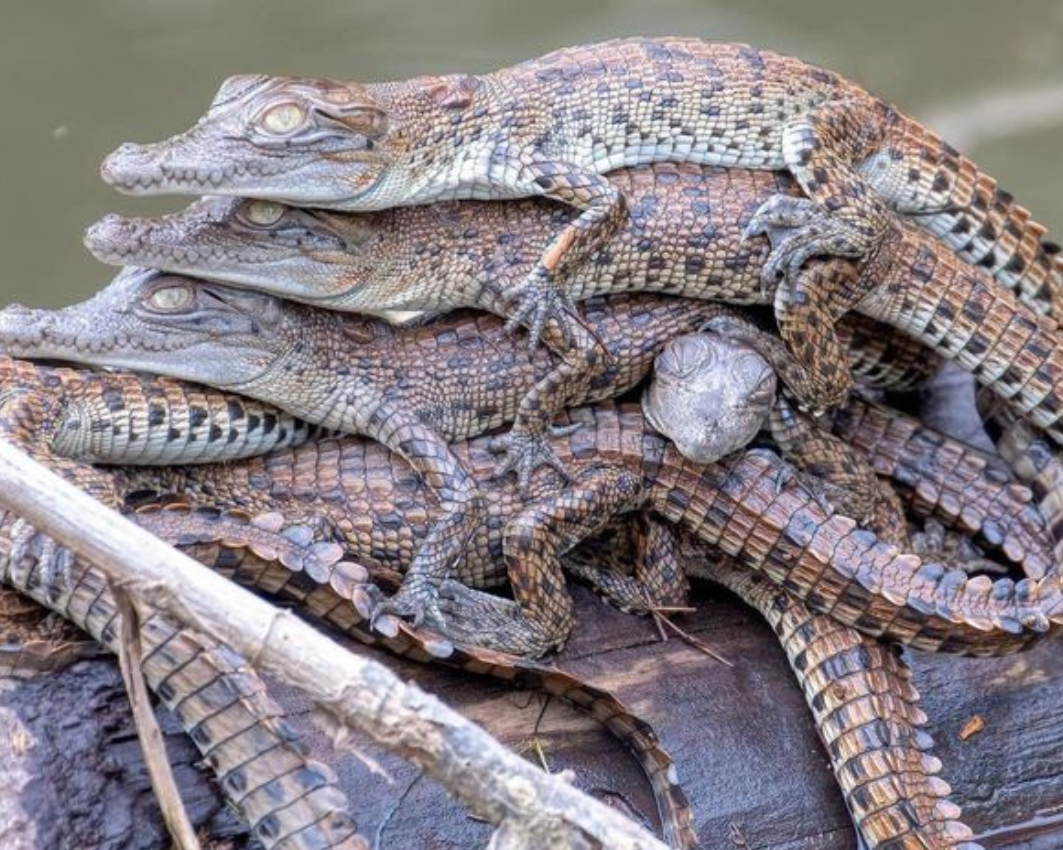
Saltwater crocodile babies warming up. Image: David White
Female crocodiles build mound nests from vegetation and mud on the riverbank, usually during the wet season, and stay close by to guard the eggs from predators. When lowland rainforest is cleared or riverbanks are disturbed, nesting sites disappear and with them, the next generation of crocodiles.
This is exactly why the Daintree Lowland Rainforest, much of which sits along the region's river systems, is such critical habitat. Protecting a stretch of rainforest riverbank doesn't just save trees; it safeguards the nesting and hunting grounds this ancient species has relied on for millennia.
Crocodile facts for kids
Saltwater Crocodiles are one of the most fascinating animals for young nature-lovers to learn about. A few fun facts about crocodiles to share with the kids in your life:
- Baby crocodiles "talk" to their mum before they even hatch, calling from inside the egg so she knows to dig them out of the nest.
- Crocodiles can hold their breath underwater for over an hour when resting.
- A crocodile's nostrils, eyes and ears all sit on top of their head, so they can hide almost completely underwater while still breathing, watching and listening.
- Despite their fearsome reputation, Saltwater Crocodiles are excellent mothers, carrying their hatchlings to the water in their jaws.
Why protecting their habitat matters
Saltwater Crocodiles are an apex predator, which means the health of the whole ecosystem depends on them. Where you find thriving crocodile populations, you're usually looking at a healthy, functioning river system, clean water, intact mangroves, abundant fish and birdlife.
That's the bigger story behind these facts about crocodiles: every hectare of Daintree rainforest that's protected from development is another stretch of river habitat preserved for this remarkable species, and for everything else that depends on the same intact ecosystem.
Every $5 donated to Save the Daintree protects one square metre of rainforest, the same rainforest riverbanks that Saltwater Crocodiles have called home for millions of years.
The Gondwana Rainforest Trust works to permanently protect rainforest properties across the Daintree through direct land purchase, ensuring critical habitat for species like the Saltwater Crocodile remains intact for generations to come.