Guardians of the Rainforest: Why Cassowaries Matter More Than Ever
This week, Paignton Zoo in Devon shared remarkable news: the successful hatching of a cassowary chick — the first at the zoo in 21 years, and the only one recorded in Europe this year.
The tiny chick has captured hearts, but it also shines a spotlight on the importance of these striking birds in the wild. Cassowaries are more than just rainforest residents. They are keystone species, meaning their survival directly shapes the health of the ecosystems around them. Without cassowaries, rainforests would look very different.
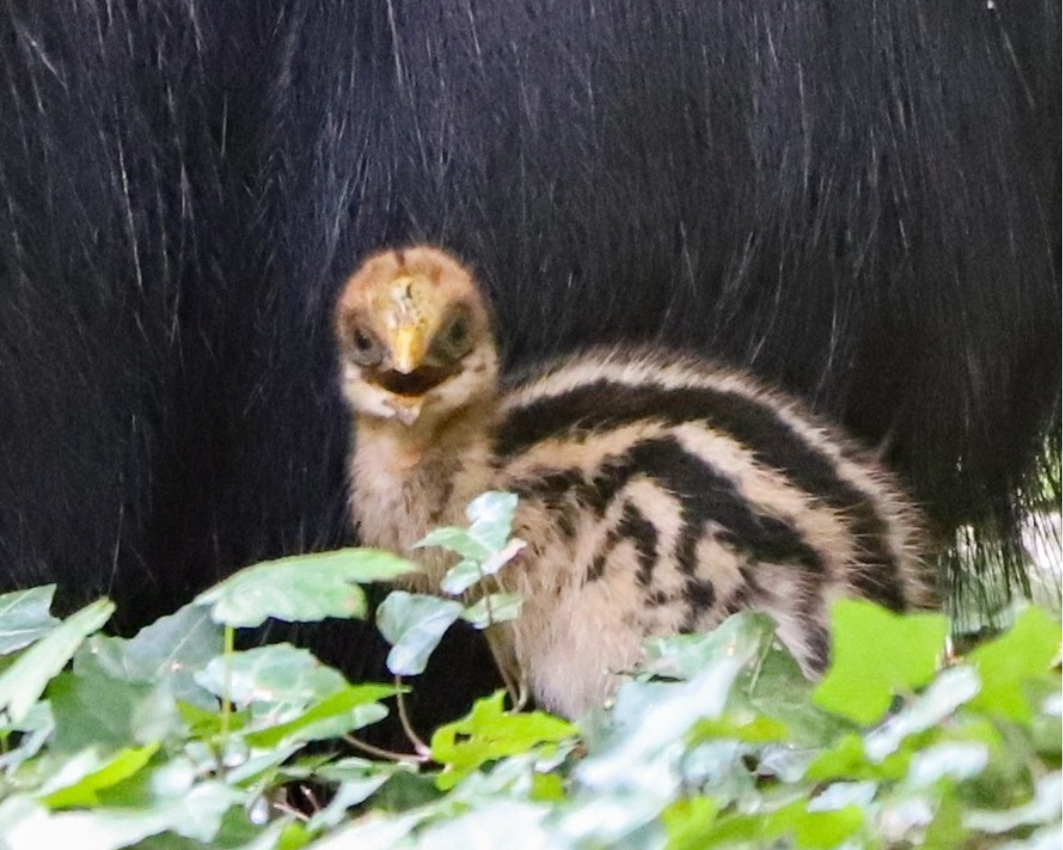
Cassowary chick has just hatched at Paignton Zoo. Image by Paignton Zoo.
Living Seed Dispersers
Cassowaries are sometimes called “the gardeners of the rainforest.” Their diet includes more than 150 different fruits, and many of those seeds are too large to be spread by other animals. By swallowing these fruits whole and carrying the seeds through the forest, cassowaries ensure the next generation of rainforest trees can grow. In fact, some plants can only germinate after passing through a cassowary’s digestive system.
Without cassowaries, parts of the rainforest would simply stop regenerating.
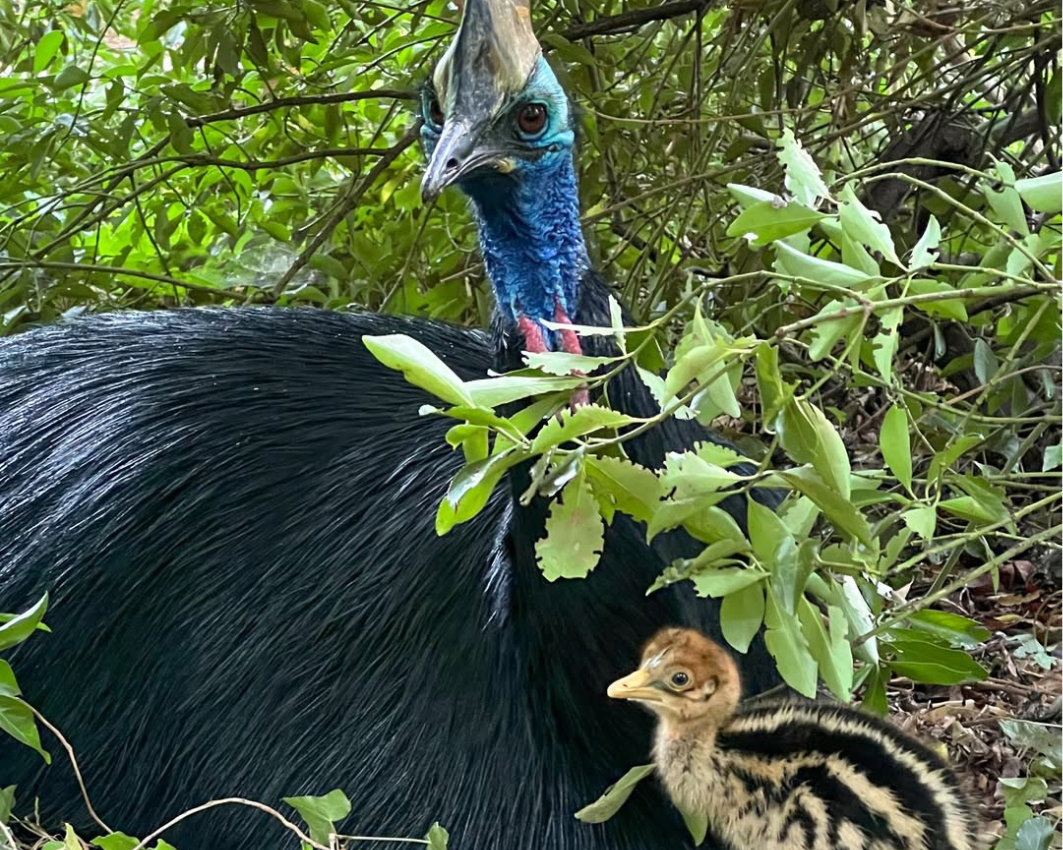 Cassowary chick and Father. Image by Paignton Zoo.
A Species Under Pressure
The hatching at Paignton Zoo is a rare success story, because cassowaries are notoriously difficult to breed in captivity. It took careful management and patience from the zoo’s team to see Madrid, the father cassowary, raise his chick.
In the wild, the challenges are even greater. Habitat loss from clearing and development is the biggest threat, shrinking the very rainforests cassowaries help to sustain. Road collisions, dog attacks, and climate pressures also put these birds at risk.
The southern cassowary, found in Far North Queensland’s Wet Tropics, is now listed as endangered. Protecting their habitat is no longer optional — it’s essential.
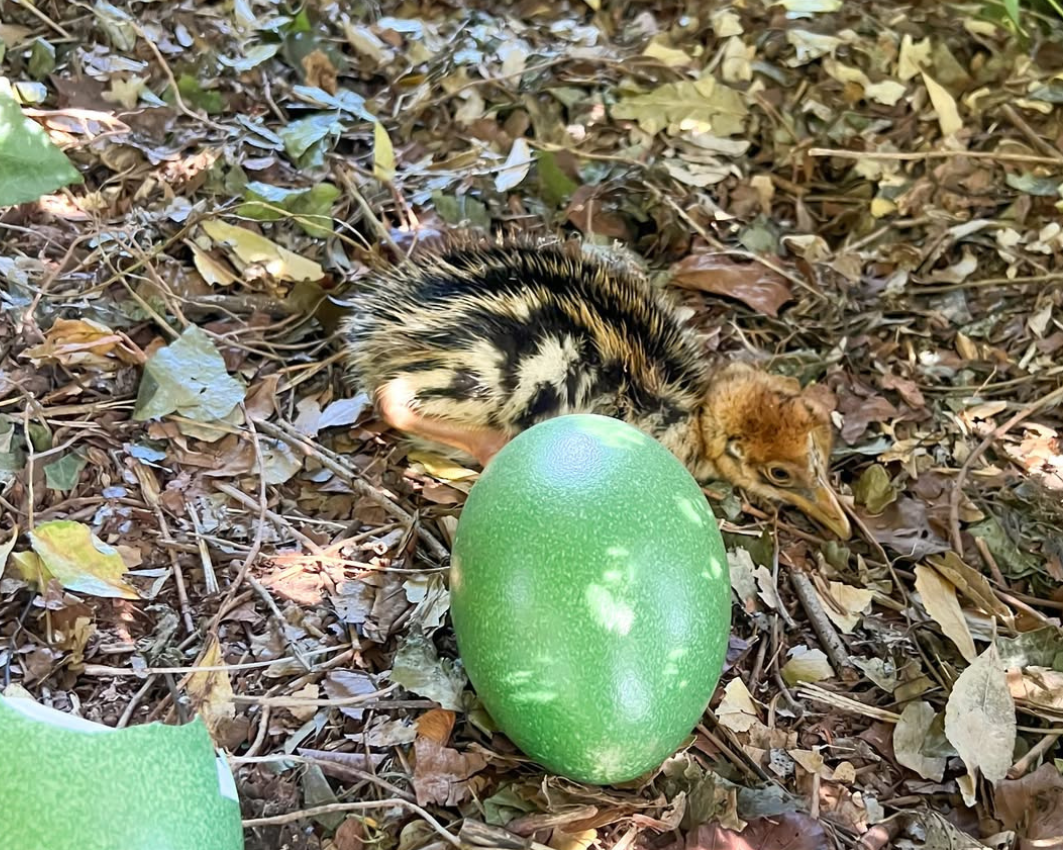 First cassowary hatch in 21 years at Paignton Zoo. Image by Paignton Zoo.
How You Can Help
The zoo’s hatching is a hopeful reminder of what’s possible when cassowaries are given the conditions they need to survive. But the future of the species depends on what happens in the wild.
The best way to help cassowaries is to protect the rainforest they call home. By supporting conservation efforts in the Daintree and beyond, you’re not just saving a single species — you’re preserving an entire ecosystem.
Every hectare of rainforest protected means more space for cassowaries to live, breed, and continue their role as seed dispersers for generations to come.
A critical time to act
As we celebrate Paignton Zoo’s new arrival this World Cassowary Day, let’s remember that the real legacy for cassowaries lies in the wild. These “living dinosaurs” are guardians of the rainforest. Their future — and ours — is intertwined with the health of the ecosystems they sustain.
Donate today to Save the Daintree and help secure vital cassowary habitat.