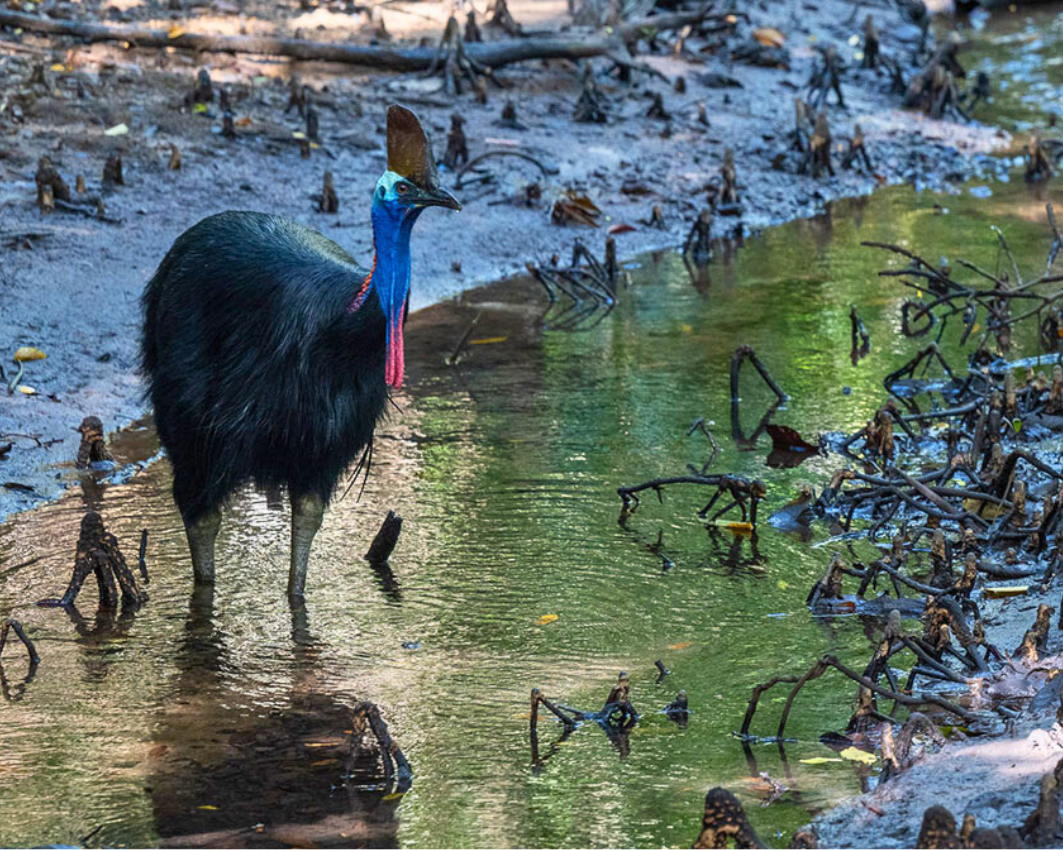
When you think of Australia's rainforests, one of the most iconic and mysterious creatures that comes to mind is the Southern Cassowary. Often called the "Rainforest Gardener" for its critical role in dispersing seeds, the cassowary is both fascinating and vital to the health of our tropical ecosystems. But just how many cassowaries are there in the wild?

The Latest Numbers
CSIRO scientists, led by Dr David Wescott under the National Environmental Research Program, estimate that around 4,400 cassowaries live in the Wet Tropics World Heritage Area.
This figure comes from years of intensive monitoring and DNA analysis. It's a big leap from earlier estimates of about 1,200 cassowaries, though it does align with the higher end of surveys conducted two decades ago.
How the Survey Was Conducted
The cassowary population estimate is grounded in an extensive research effort:
- 1,886 km surveyed across the Wet Tropics
- 156 transects studied
- 1,444 signs of cassowaries recorded, including dung, feathers, footprints, and sightings
By combining these on-the-ground observations with DNA analysis, researchers were able to provide the clearest picture yet of cassowary numbers in the region.
Why This Matters
The news that cassowary numbers may be higher than once believed is heartening. But it doesn't mean the species is out of danger.
Despite the improved population estimates, cassowaries remain vulnerable. Their small population size means they are still at risk from:
- Cyclones that can devastate rainforest habitat
- Genetic impacts of a fragmented population
- Habitat loss and fragmentation caused by development and land clearing
- Vehicle strikes and road accidents
In short, while there may be more cassowaries than we thought, their future is far from secure.

Looking Ahead
Research is ongoing. On Cape York, ecologist Wren McLean has been leading further investigations to better understand cassowary populations and their habitats. Each new study adds another piece to the puzzle, helping conservationists protect this keystone species.
The Takeaway
The Southern Cassowary remains one of Australia's most important—and most threatened—wildlife species. The latest research gives us hope, showing there are more cassowaries than once believed. But their survival still depends on how we care for their rainforest home.
Protecting cassowaries means protecting the rainforests they call home—and the countless other species that rely on them.
Take Action
You can play a direct role in protecting cassowaries by helping to safeguard their habitat. Every gift to Save the Daintree helps protect and restore the Daintree Rainforest, creating safe refuge for cassowaries and countless other species.
→ Donate today to Save the Daintree and be part of securing a future for cassowaries.