Habitat: Tropical rainforest understory, particularly shaded and humid areas such as gullies, creek lines and sheltered slopes within the Wet Tropics of Queensland, including the Daintree Rainforest.
Conservation status: Least Concern under the International Union for Conservation of Nature (IUCN)
Scientific name: Bowenia spectabilis
Common names: Zamia Fern, Byfield Fern, Bowenia Cycad
About
The Daintree Rainforest grows one of Australia’s most ancient plants, the Zamia Fern (Bowenia spectabilis). At first glance, it looks like a delicate rainforest fern, with soft, glossy leaves spreading across the forest floor. But despite its appearance, the Zamia Fern is not a fern at all. It is a cycad, part of an ancient lineage of plants that existed long before flowering plants evolved and even before dinosaurs walked the Earth.
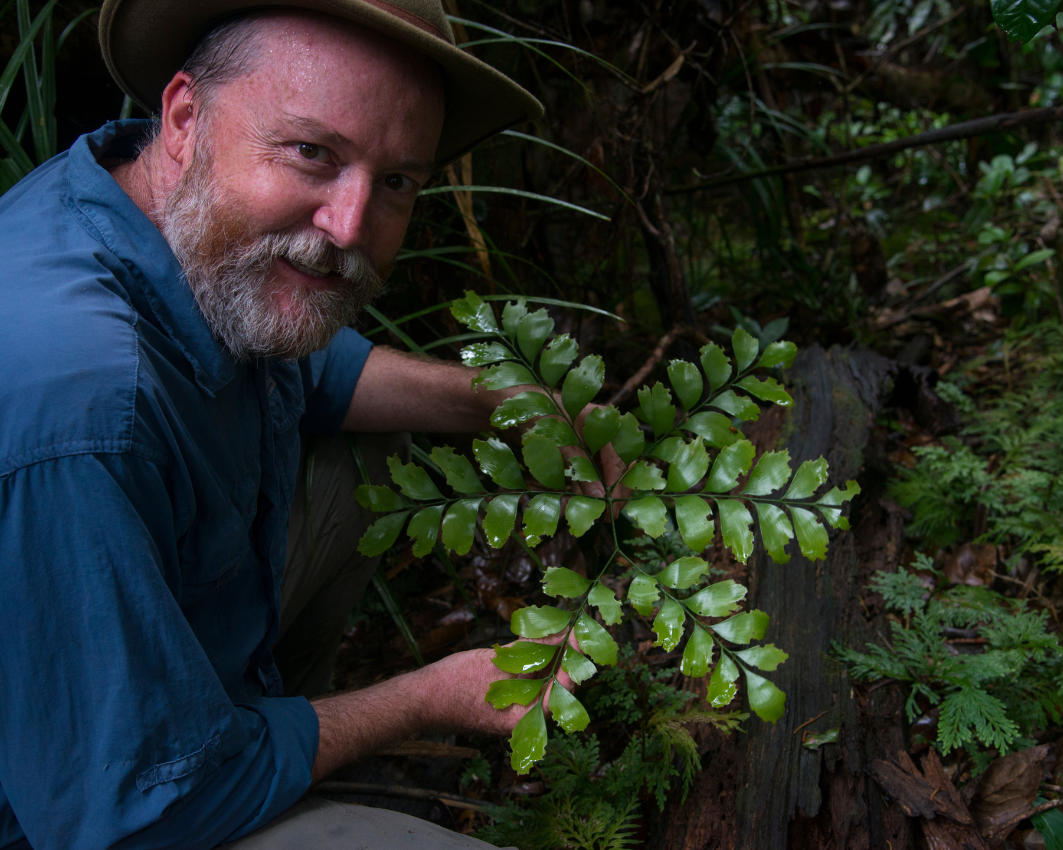
Our founder, Kelvin, with the Zamia Fern on a protected property.
Cycads are among the oldest surviving plant groups on the planet, with fossil relatives dating back more than 250 million years. Today, the Zamia Fern remains as a living link to this prehistoric world.
Endemic to Queensland’s tropical rainforests, Bowenia spectabilis is found naturally within the Wet Tropics, including the Daintree Rainforest. It thrives in the shaded understory of ancient rainforest, often growing near creeks, sheltered slopes and humid gullies where moisture remains high throughout the year.
Reproduction
One of the Zamia Fern’s most fascinating features is the way it reproduces. Unlike flowering plants, cycads do not produce flowers or fruit. Instead, they reproduce using cones. In the case of the Zamia Fern, these cones emerge directly from the forest floor from an underground stem hidden beneath the leaf litter.
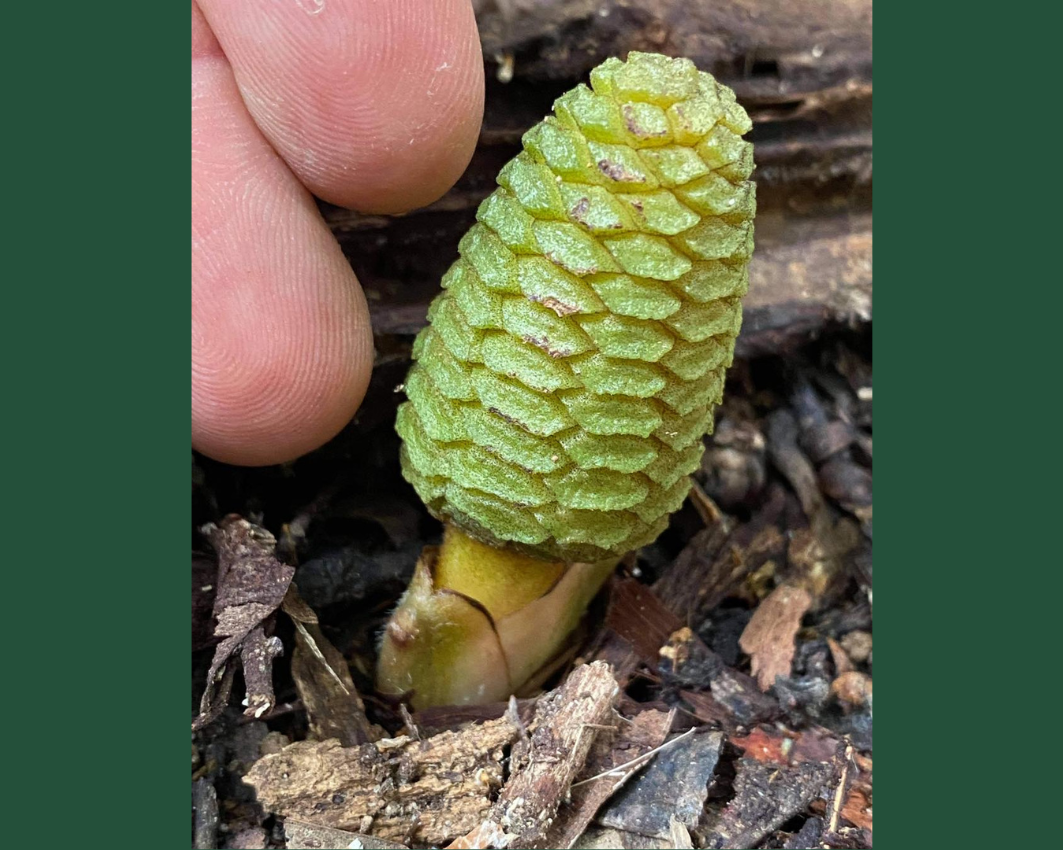
The cone of the Zamia fern.
Its beautifully divided foliage gives the plant an almost tropical fern-like appearance, helping it blend seamlessly into the rainforest understory. This unique leaf structure makes Bowenia spectabilis unlike any other Australian cycad.
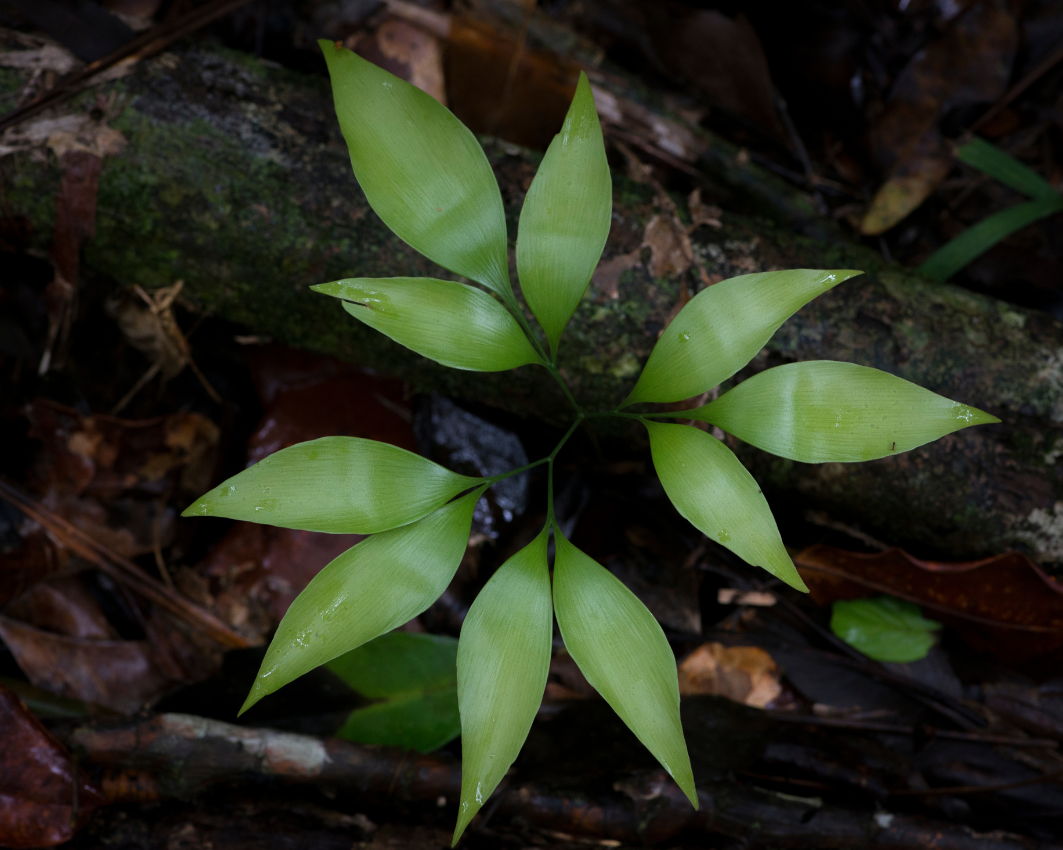
The Zamia Fern (Bowenia spectabilis).
Why it matters
The survival of ancient species like the Zamia Fern highlights the global significance of the Daintree Rainforest. These plants have endured enormous shifts in climate and survived multiple extinction events over millions of years. Yet today, habitat loss and rainforest fragmentation remain major threats to the ecosystems they depend on.
Protecting and reconnecting rainforest habitats is essential to ensuring these extraordinary living relics continue to survive into the future. Every property protected through rainforest conservation helps safeguard ancient species like the Zamia Fern and the countless other plants and animals that call the Daintree home.
A connected rainforest is essential for healthy ecosystems. You can help protect vital habitat in the Daintree here.