Scientific name: Endiandra microneura
Height: Up to ~30–40 metres (canopy tree), buttressed
Fauna: Fruit eaten by Cassowaries
Habitat: Lowland tropical rainforest of the Wet Tropics, Far North Queensland, typically in well-developed, moist rainforest
Conservation status: Near threatened under the Nature Conservation Act 1992
In the ancient rainforests of Far North Queensland grows one of Australia’s most remarkable and little-known trees: Noah’s Walnut (Endiandra microneura). This species is a living link to the Gondwanan past, and a powerful reminder of why protecting places like the Daintree matters.
Ancient lineage
Noah’s Walnut belongs to the laurel family (Lauraceae), a lineage that dates back to the Early Cretaceous period, with molecular dating suggesting a stem age of approximately 125 to 90 million years (Ma). Species in this family evolved long before Australia separated from the supercontinent Gondwana, meaning this tree represents a direct connection to ancient rainforest ecosystems that once covered vast parts of the Earth.
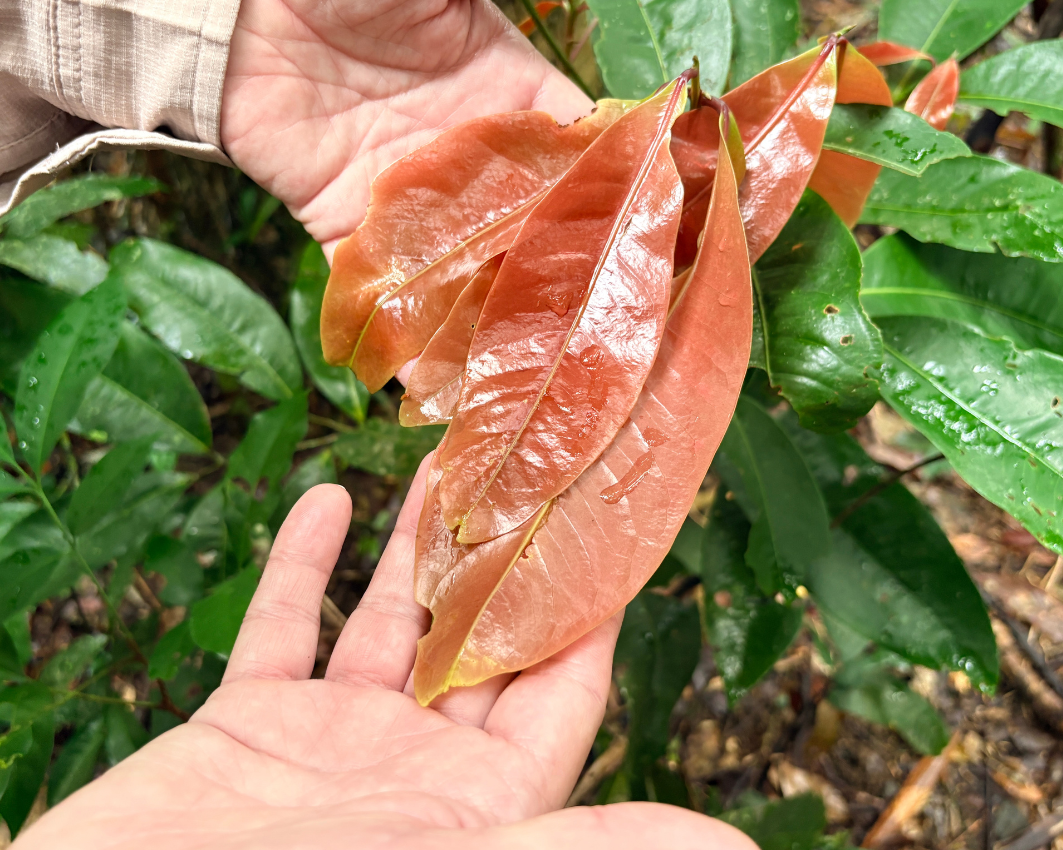
Noah’s Walnut (Endiandra microneura).
Today, Endiandra microneura is endemic to the Wet Tropics of Queensland. Its distribution is limited, and like many rainforest specialists, it depends on stable, intact habitat to survive.
One of the largest fruits in Australian rainforest
What makes Noah’s Walnut truly stand out is its fruit. It produces one of the largest seeds of any Australian rainforest tree, encased in a yellow fleshy outer layer. These fruits can grow to an impressive size, making them a rare and valuable food source within the forest. This size comes with a challenge: very few animals are capable of dispersing such large seeds.
Cassowary connection
Enter the Southern Cassowary (Casuarius casuarius johnsonii), one of the only animals capable of swallowing and dispersing Noah’s Walnut seeds. This flightless bird plays a critical role in maintaining rainforest diversity by transporting seeds across large distances.
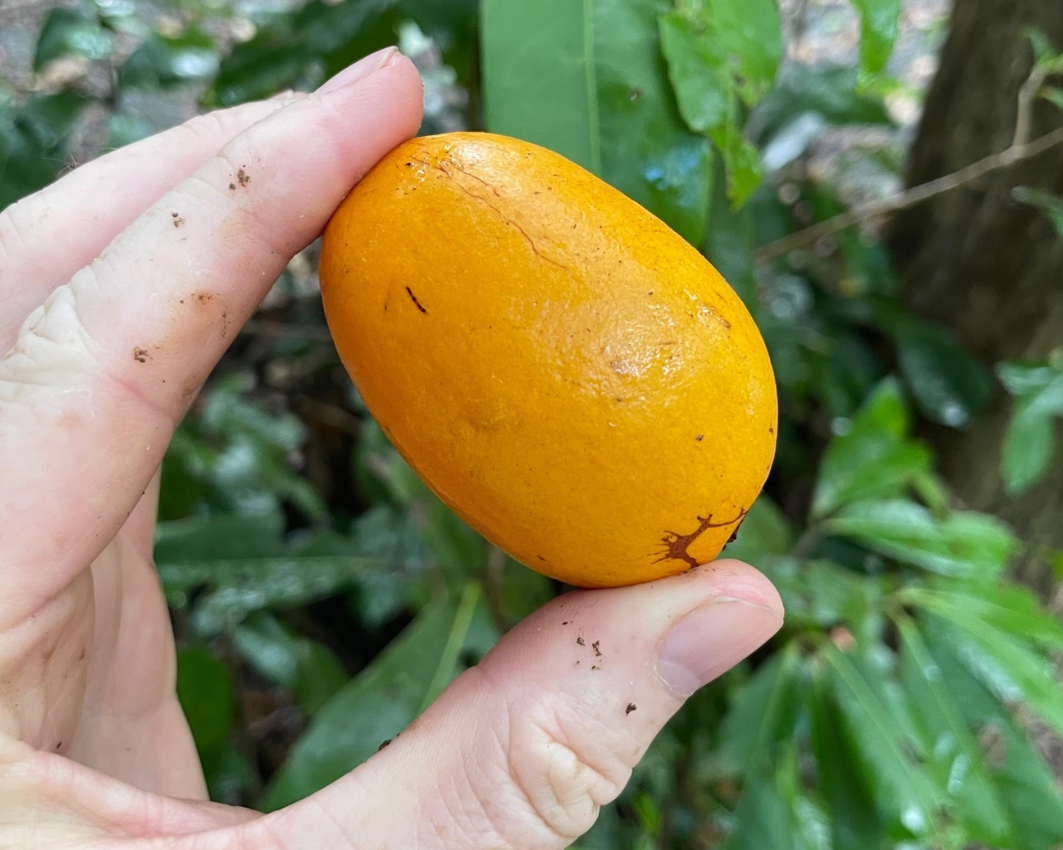
The fruit of the Noah's Walnut.
Without cassowaries, trees like Endiandra microneura would struggle to regenerate and survive. This relationship highlights a powerful ecological truth: protecting species means protecting the systems they depend on.
Why it matters
Noah’s Walnut is more than just a tree; it is part of a complex ecological network that supports rainforest health and resilience. However, habitat loss and fragmentation continue to threaten these connections.
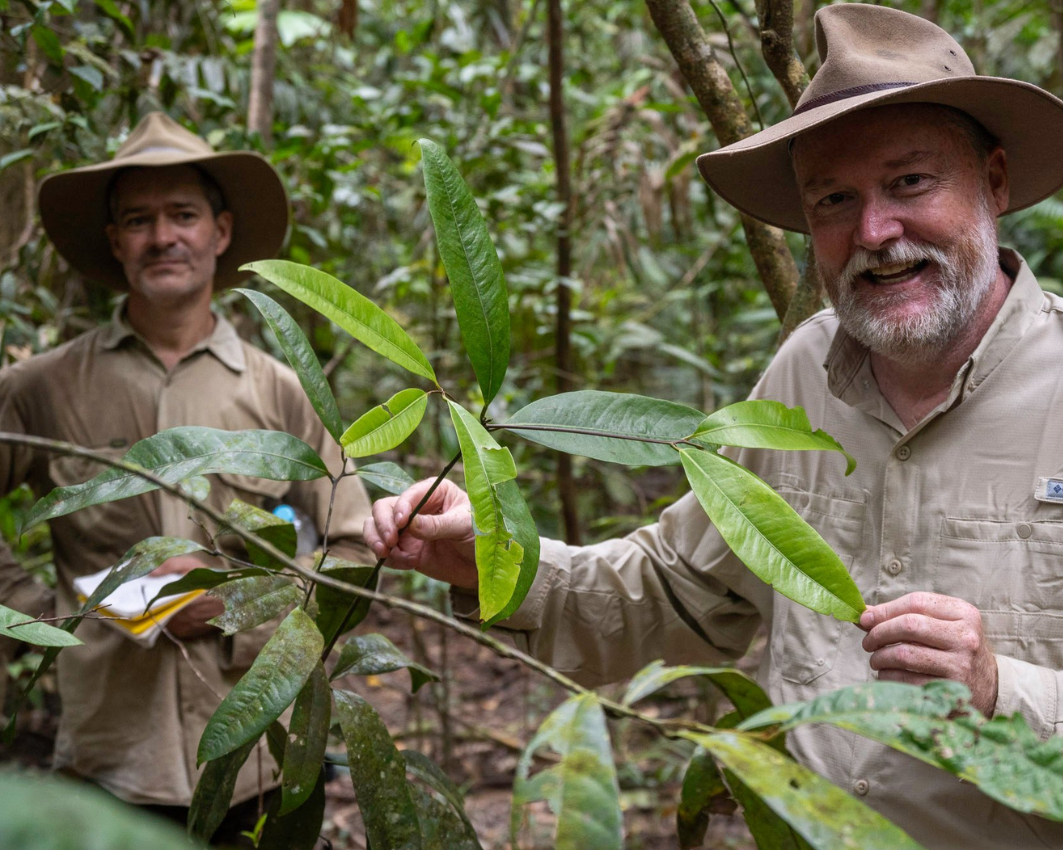
The Noah's Walnut on a protected freehold property.
In the Daintree Lowland Rainforest, historic subdivision has left large areas vulnerable to clearing and development. When rainforests are broken into smaller fragments, seed dispersers like cassowaries are less able to move freely, and species like Noah’s Walnut become increasingly isolated.
Protecting the future
By protecting and restoring rainforest habitat, we help safeguard not only individual species but the relationships that sustain entire ecosystems.
Every intact corridor, every protected hectare, and every restored site contributes to a future where ancient species like Endiandra microneura can continue to thrive. Because when we protect rainforests, we protect the stories they hold, some of them millions of years in the making.