Why is habitat fragmentation one of the biggest threats to the Daintree?
The Daintree Rainforest is one of the oldest tropical rainforests on Earth, home to extraordinary biodiversity and many species found nowhere else. Yet one of the most significant threats to this ancient ecosystem is not always obvious. It is habitat fragmentation.
Habitat fragmentation occurs when large, continuous areas of forest are broken into smaller, isolated patches. Even when some rainforest remains, the ecosystem becomes divided by roads, cleared land, or development. Over time, this separation can have serious consequences for wildlife, plant diversity and the long-term health of the forest.
In the Daintree Lowland Rainforest, fragmentation largely stems from a planning decision made in the 1980s. A rural residential subdivision created 1,136 privately owned blocks between the Daintree River and Cape Tribulation. When the Wet Tropics World Heritage Area was declared in 1988, many of these blocks remained outside the Daintree National Park. As a result, sections of globally significant rainforest became vulnerable to clearing and development.
Scientists have shown that fragmentation can dramatically reduce biodiversity. A landmark global study published in Science found that habitat fragmentation leads to declines in species abundance, reduced ecosystem resilience and long-term biodiversity loss (Haddad et al., 2015). Smaller forest patches are more exposed to edge effects such as wind, heat and invasive species, which alter the delicate conditions that rainforest plants and animals depend on.
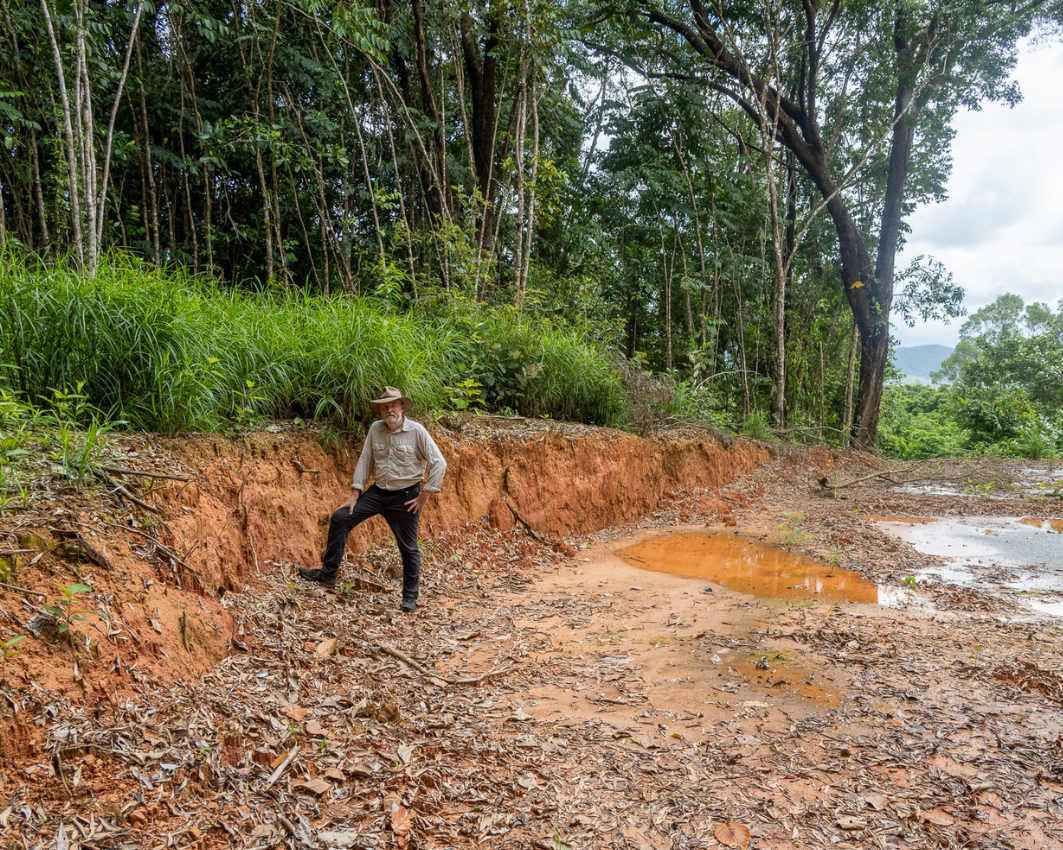
Development fragmenting the rainforest.
Fragmentation also disrupts wildlife movement. Many rainforest species rely on connected forests to travel, feed and reproduce. Animals such as the Southern Cassowary, for example, move through large areas of forest dispersing seeds that help regenerate rainforest ecosystems. When habitat becomes divided into isolated patches, these natural ecological processes become much harder to maintain.
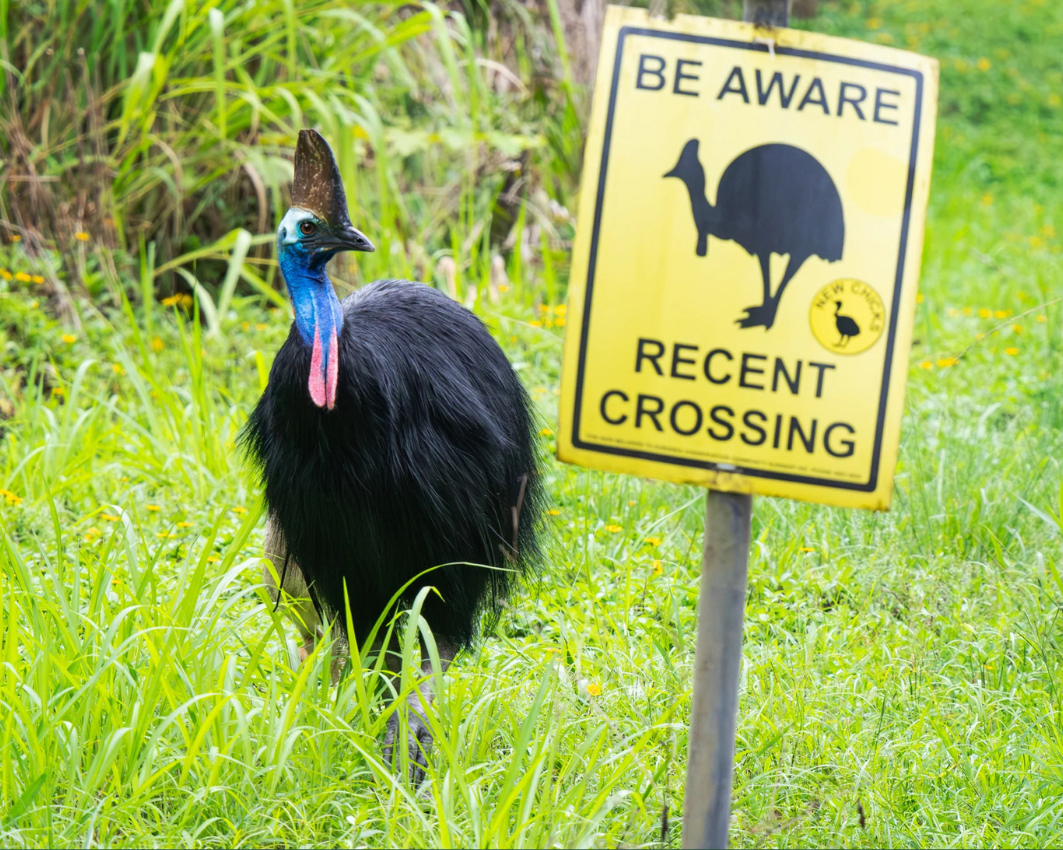
Roads don’t just fragment rainforests; they put species at risk. Image: 2MadPhotographers
Connectivity between forest areas is therefore critical. Continuous rainforest allows wildlife to move safely, supports genetic diversity and helps ecosystems remain resilient in the face of climate change.
This is one of the key reasons our buyback program exists. By purchasing privately owned rainforest blocks, we can reconnect fragmented landscapes and prevent further clearing. Each property secured adds another piece back into the ecological puzzle.
Over the past six years, 36 properties in the Daintree Lowland Rainforest have been purchased for conservation through this effort. These acquisitions help expand habitat, strengthen wildlife corridors and protect one of the most biologically significant rainforests on Earth.
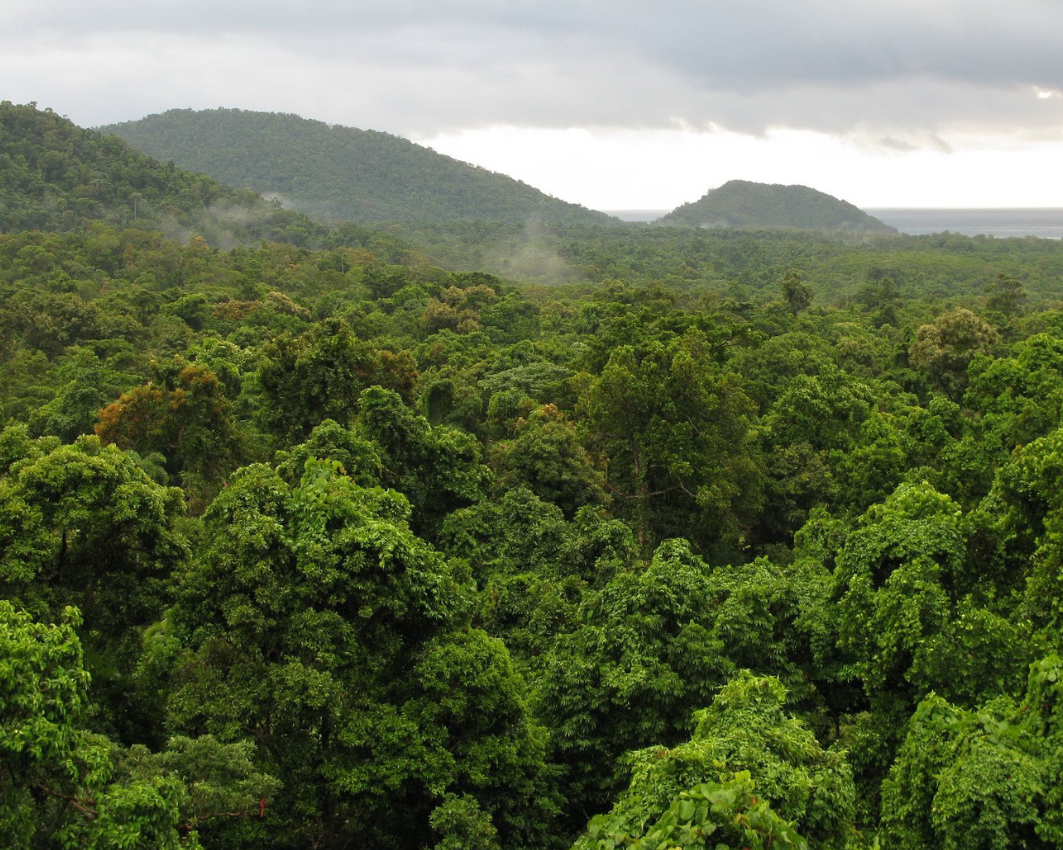
The Daintree Rainforest.
Protecting the Daintree is not only about saving individual parcels of land. It is about restoring the integrity of an entire ecosystem, ensuring this ancient rainforest remains connected, resilient and alive for generations to come.
An affordable gift every month is the very best way to support the work of the Gondwana Rainforest Trust and help Save the Daintree.