In the Daintree Rainforest, on Lot 2 Old Forest Creek Road, ecologists captured glimpses of a hidden world from secretive frogs to majestic birds, revealing just how alive this patch of rainforest truly is.
In January and February 2026, ecologists, Amanda and Alastair, conducted a comprehensive survey of the vertebrate fauna at Lot 2 Old Forest Creek Road at Forest Creek in the Daintree Lowland Rainforest.
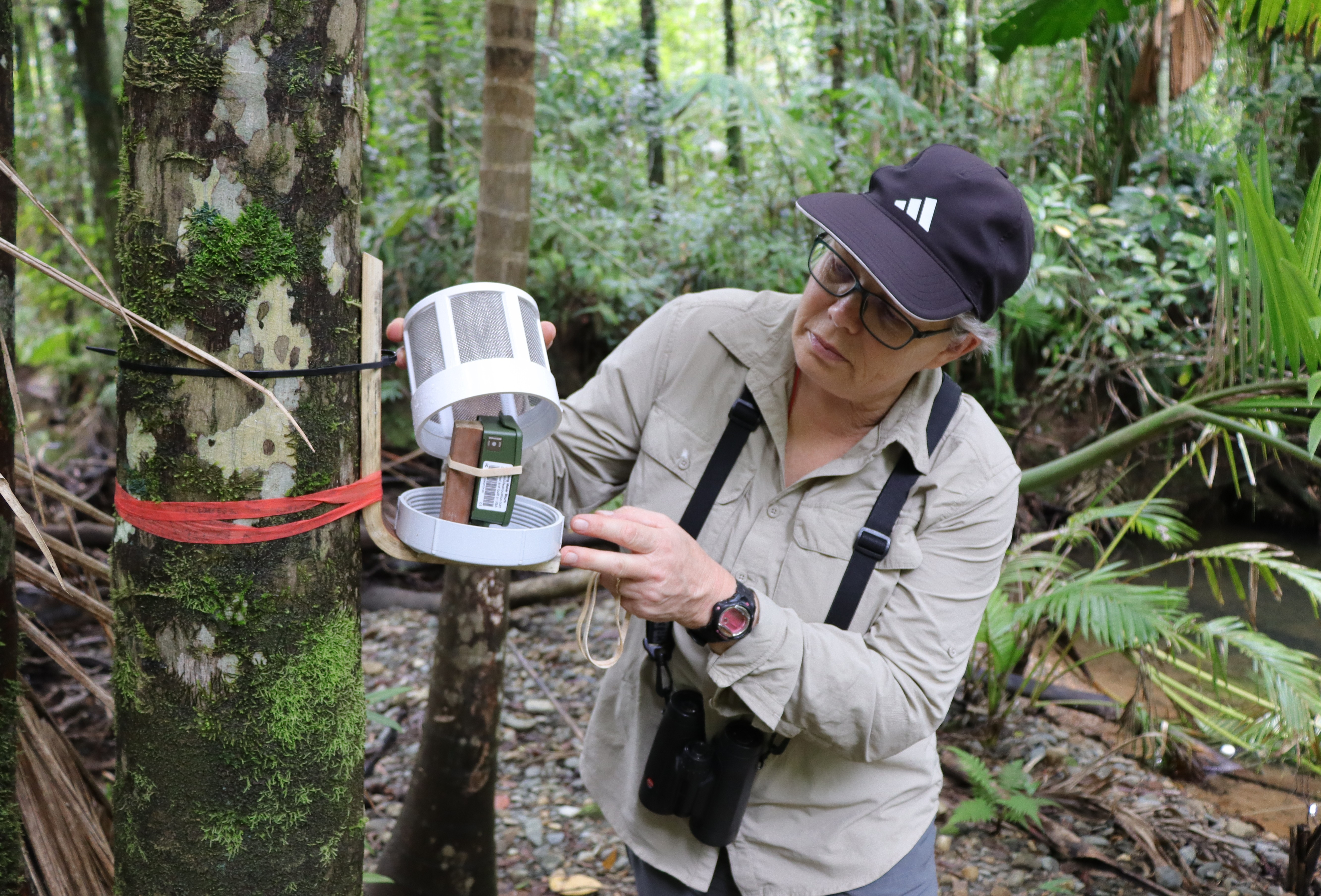
Setting up acoustic loggers to record frogs and other wildlife.
This survey provides a critical ecological baseline before regeneration work begins on the property. By documenting the species currently present, we can track how wildlife responds as the land is restored and rainforest habitat expands over time. The survey will help measure the positive impact of the regeneration work.
What Did We Find?
Over five days of fieldwork using camera traps, acoustic loggers, spotlighting and bird surveys, researchers recorded:
- 7 native frog species
- 4 reptile species
- 37 bird species
- 3 native mammal species
- Along with two introduced species: cane toads and feral pigs
The diversity already present highlights the ecological value of Lot 2 and its connection to the surrounding rainforest.
Endangered Common Mistfrog Recorded
One of the most significant findings was the Endangered Common Mistfrog (Litoria rheocola), detected calling beside a small rainforest stream.
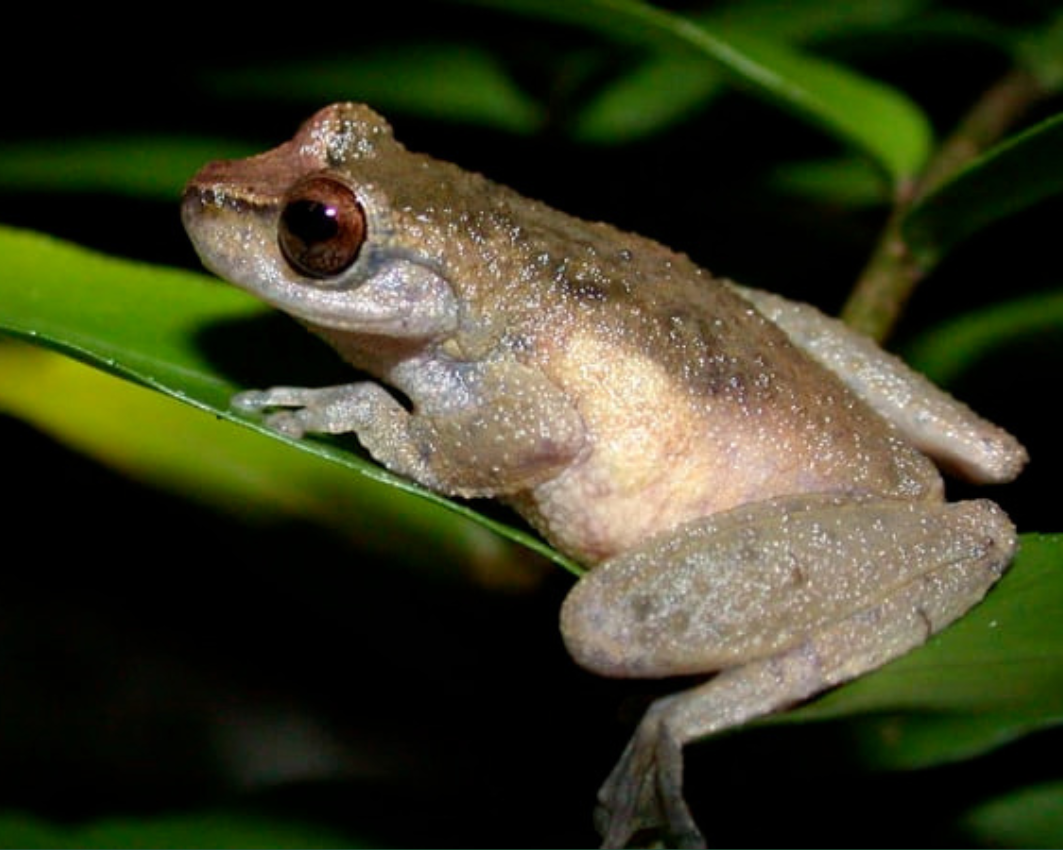
Common Mistfrog (Litoria rheocola). Image: Jodi Rowley
This species is listed as Endangered under Queensland’s Nature Conservation Act and is one of several stream-dwelling frogs that declined dramatically in the 1990s due to chytrid fungus. In the Daintree, Common Mistfrogs rely on clean, rocky rainforest streams.
Maintaining and extending rainforest buffers along waterways on the property will be vital for protecting this sensitive species and supporting its long-term recovery.
Cassowary Dad and Chick
Perhaps the most exciting discovery was camera trap footage of a Southern Cassowary (Casuarius casuarius) with a stripey chick, recorded at four separate sites across the property.
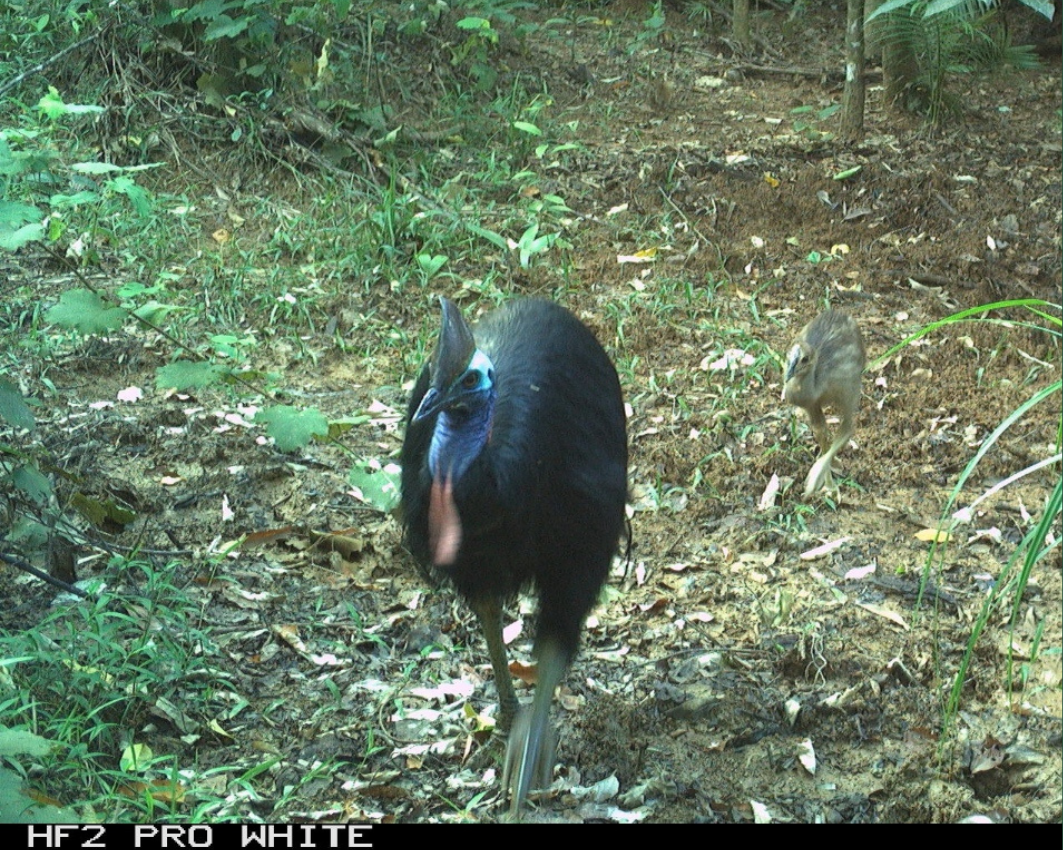
Southern Cassowary (Casuarius casuarius).
The repeated sightings suggest Lot 2 forms part of a breeding home range. This is incredibly positive news.
Cassowaries are listed as Endangered in Queensland and are keystone rainforest gardeners, dispersing the seeds of more than 100 rainforest plant species. Their presence signals that Lot 2 already functions as an important habitat within the broader Daintree landscape.
Fauna recorded during the survey
During the January–February 2026 survey conducted by Nature North ecologists, a diverse range of wildlife was recorded across the property’s rainforest, stream and open areas. The survey documented native mammals, birds, frogs, reptiles and fish.
Mammals
-
Long-nosed Bandicoot (Perameles nasuta)
-
Red-legged Pademelon (Thylogale stigmatica)
-
Giant White-tailed Rat (Uromys caudimaculatus)
-
Feral Pig (Sus scrofa)
Birds
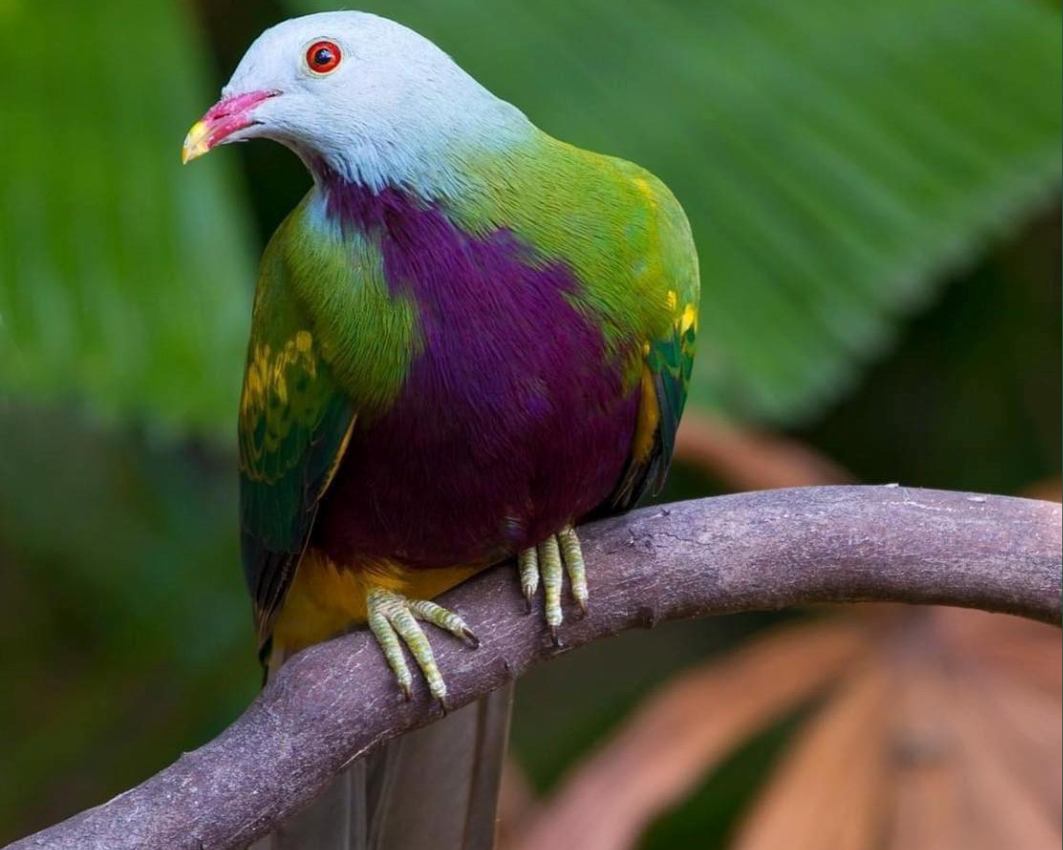
Wompoo Fruit-Dove (Ptilinopus magnificus).
-
Southern Cassowary (Casuarius casuarius johnsonii) — Threatened species
-
Orange-footed Scrubfowl (Megapodius reinwardt)
-
Bar-shouldered Dove (Geopelia humeralis)
-
Pied Imperial-Pigeon (Ducula bicolor)
-
Wet Tropics Wompoo Fruit-Dove (Megaloprepia magnifica keri)
-
Superb Fruit-Dove (Ptilinopus superbus)
-
Tawny Frogmouth (Podargus strigoides)
-
Pheasant Coucal (Centropus phasianinus)
-
Shining Bronze-Cuckoo (Chalcites lucidus)
-
Little Bronze-Cuckoo (Chalcites minutillus)
-
Red-necked Crake (Rallina tricolor)
-
Bush Stone-curlew (Burhinus grallarius)
-
Pacific Baza (Aviceda subcristata)
-
Rainbow Bee-eater (Merops ornatus)
-
Buff-breasted Paradise-Kingfisher (Tanysiptera sylvia)
-
Sulphur-crested Cockatoo (Cacatua galerita)
-
Rainbow Lorikeet (Trichoglossus moluccanus)
-
Wet Tropics Double-eyed Fig-Parrot (Cyclopsitta diophthalma macleayana)
-
Lovely Fairy-wren (Malurus amabilis)
-
Dusky Honeyeater (Myzomela obscura)
-
Macleay’s Honeyeater (Xanthotis macleayanus)
-
Noisy Friarbird (Philemon corniculatus)
-
Wet Tropics Yellow-spotted Honeyeater (Meliphaga notata mixta)
-
Cryptic Honeyeater (Microptilotis imitatrix)
-
Fairy Gerygone (Gerygone palpebrosa)
-
Common Cicadabird (Edolisoma tenuirostre)
-
Varied Triller (Lalage leucomela)
-
Wet Tropics Little Shrike-thrush (Colluricincla megarhyncha griseata)
-
Australasian Figbird (Sphecotheres vieilloti)
-
Black Butcherbird (Melloria quoyi)
-
Northern Fantail (Rhipidura isura)
-
Spangled Drongo (Dicrurus bracteatus)
-
Black-faced Monarch (Monarcha melanopsis)
-
Tawny Grassbird (Cincloramphus timoriensis)
-
Silvereye (Zosterops lateralis)
-
Mistletoebird (Dicaeum hirundinaceum)
-
Olive-backed Sunbird (Cinnyris jugularis)
Amphibians (Frogs)
-
Peeping Whistlefrog (Austrochaperina fryi)
-
Eastern Dwarf Treefrog (Litoria fallax)
-
White-lipped Treefrog (Litoria infrafrenata)
-
Dainty Green Treefrog (Litoria gracilenta)
-
Northern Stony-creek Frog (Litoria jungguy / Litoria wilcoxii)
-
Common Mistfrog (Litoria rheocola) — Threatened species
-
Australian Woodfrog (Papurana daemeli)
-
Cane Toad (Rhinella marina)
Reptiles
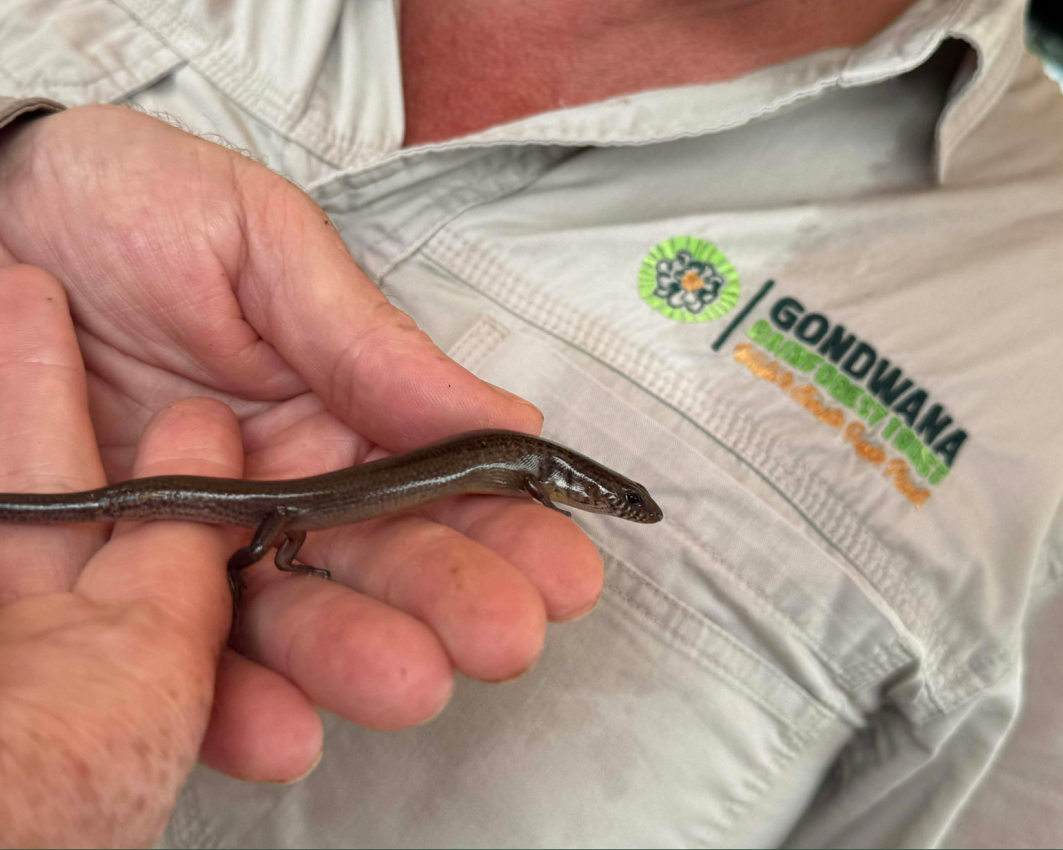
Black-tailed Bar-lipped Skink (Laphyromorphus nigricaudis).
-
Spotted Tree Monitor (Varanus scalaris)
-
Scrub Python (Simalia kinghorni)
-
Black-tailed Bar-lipped Skink (Laphyromorphus nigricaudis)
-
Red-throated Rainbow-skink (Carlia crypta)
Fish
-
Australian Snakehead Gudgeon (Giuris aporocephalus)
A Rare Night Encounter
Trail cameras also captured a scrub python (Simalia kinghorni), Australia’s longest snake, passing a feral pig during the night. While the python was not large enough to threaten the pig, the interaction provides a fascinating glimpse into the hidden dynamics of rainforest life.
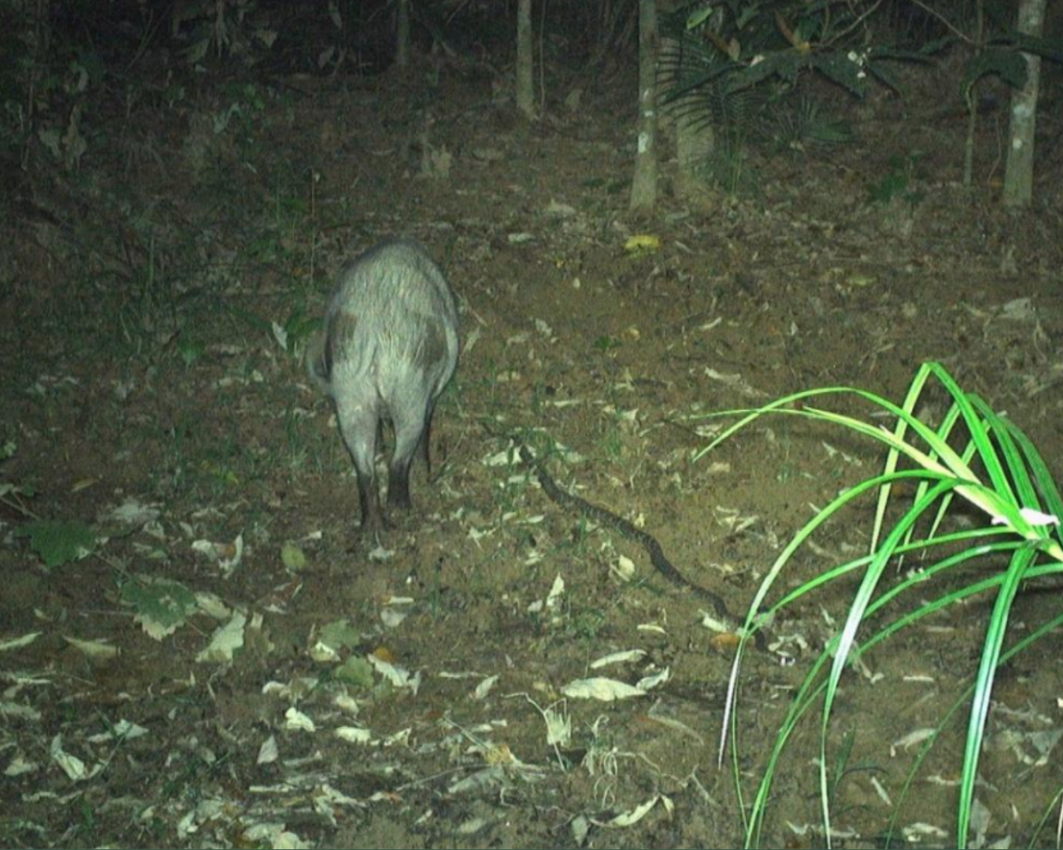
Scrub python (Simalia kinghorni) and feral pig (Sus scrofa).
Feral pigs were recorded at low densities, with minimal evidence of damage so far. Ongoing monitoring will ensure their impacts remain controlled.
Why Protection and Regeneration Matters
The survey confirmed that cleared areas of the property currently support mostly grassland and generalist species, while specialist rainforest endemics are concentrated in remnant forest patches.
Regeneration will:
- Buffer existing rainforest
- Expand habitat for threatened frogs and cassowaries
- Improve connectivity between forest fragments
- Increase long-term species richness and habitat complexity
As trees grow and canopy cover returns, we expect more rainforest specialists to recolonise these areas.
This survey represents a snapshot in time, a before picture. In July 2026, a winter survey will add further data, including microbat monitoring and stream assessments.
Lot 2 is alive with remarkable wildlife, and with continued regeneration, it will become even stronger as a haven for the Wet Tropics’ unique and threatened species. And thanks to you, this future is possible.
Learn more about Lot 2 Old Forest Creek Road here.
This survey was made possible by a grant from WIRES.