Please donate now to help purchase, protect and restore Lot 265 Silver Ash Road.
We've provided answers to the most frequently asked questions for the purchase, protection and restoration of Lot 265 Silver Ash Road at Cow Bay in the Daintree Lowland Rainforest.
We’re raising $125,000 to purchase, protect and restore Lot 265 Silver Ash Road—and to keep the momentum of our highly successful Daintree land buyback program going. This will be the 39th property donors have purchased since July 2019, providing the highest level of protection for another precious piece of the Daintree Lowland Rainforest and continuing our long-term commitment to securing and restoring threatened rainforest properties across the region.

Lot 265 Silver Ash Road in Cow Bay.
Where is the Daintree Rainforest?
The Daintree Rainforest is a large area of tropical rainforest in Far North Queensland, extending from Mossman Gorge (80km north of Cairns) to Cape Tribulation (110km north of Cairns). It includes large areas of rainforest-clad mountains. Between the Daintree River and Cape Tribulation, the rainforest is continuous from the mountain to the sea, and when many people speak of the Daintree, they are often referring to this area, known as the Daintree Lowland Rainforest. Lot 265 is located at Cow Bay, within this lowland rainforest.
Why is the Daintree important?
The Daintree Lowland Rainforest is the oldest rainforest on Earth, having existed continuously for over 120 million years. It has exceptionally high biodiversity and conservation value and is the largest remaining continuous area of tropical rainforest in Australia. The flora of the Daintree contains an almost complete record of the evolution of plant life on Earth, including extremely ancient flowering plant families found nowhere else. The Daintree Lowland Rainforest also provides a refuge for many unique species of fauna, including the Southern Cassowary and Bennett's Tree-kangaroo — both confirmed on Lot 265.
In November 2021, the Australian Government listed the Lowland Tropical Rainforest of the Wet Tropics ecological community in the Endangered category under the Environment Protection and Biodiversity Conservation Act 1999, effective 26 November 2021. While now listed as endangered, the Daintree Lowland Rainforest is still not fully protected. Freehold properties in the Daintree Lowland, including Lot 265, remain at risk from rural residential development.
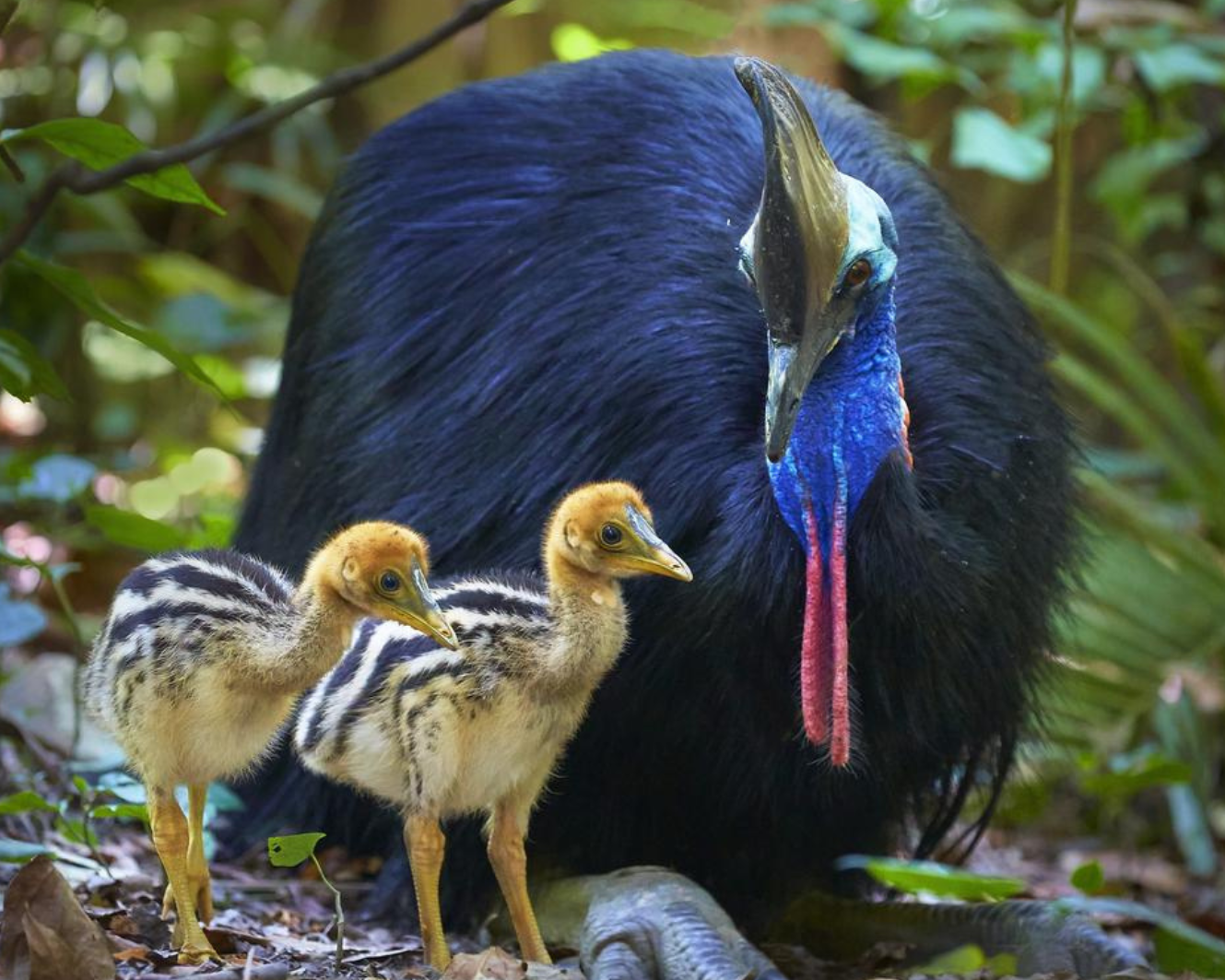
Lot 265 is critical habitat for the endangered Southern Cassowary
Isn't the Daintree protected as a National Park and World Heritage Area?
Two-thirds of the Daintree Lowland Rainforest between the Daintree River and Cape Tribulation was excluded from inclusion in the Daintree National Park and World Heritage Area declared in 1988. In 1982, a pro-development Queensland State Government rezoned leasehold and freehold land in the Daintree Lowland Rainforest, enabling a developer to subdivide it into 1,136 blocks. This resulted in the building of over 50km of roads and the clearing and development of high conservation value rainforest for housing. The freehold land between the Daintree River and Cape Tribulation has World Heritage values and should be protected in the Daintree National Park.
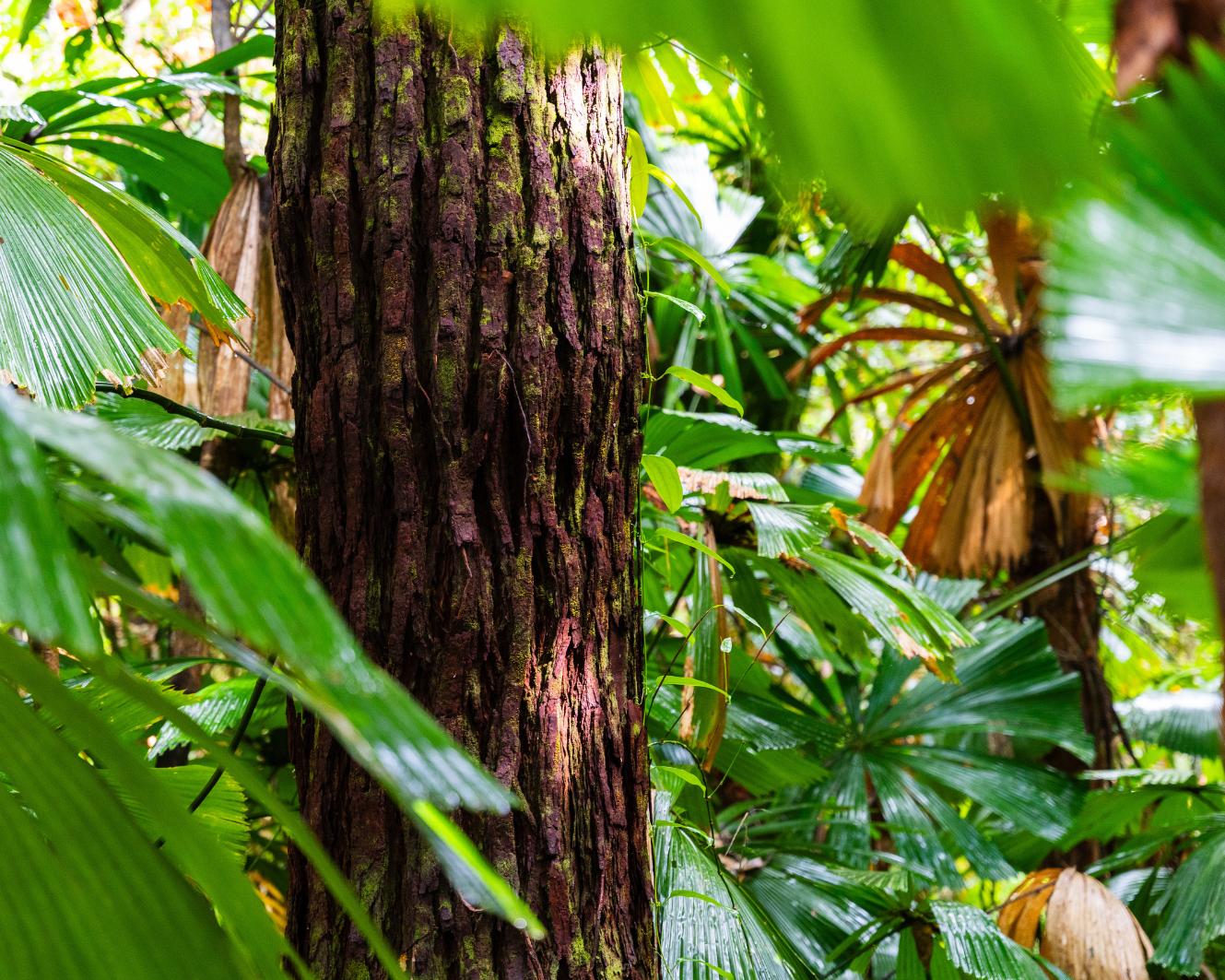
Large-fruited red mahogany (Eucalyptus pellita) on Lot 265.
What are the threats to the Daintree Rainforest?
Since the 1980s, there has been constant pressure applied to further develop the Daintree Lowland Rainforest. There are approximately 130 remaining freehold properties in the Daintree region that warrant protection. Building more houses on these properties would further fragment the rainforest. For that reason, continued land purchase for conservation is essential.
Recovering from the impacts of fragmentation
Fragmentation occurs when a continuous forest is broken into smaller sections that become disconnected from the whole. Rainforest ecosystems function best as an unbroken whole, and connectivity is one of the most critical requirements for maintaining ecological health. Disturbance paves the way for invasive weeds and pests to colonise the exposed and degraded areas.
Common human-induced causes of fragmentation include road construction, housing, infrastructure, and other forms of development. When fragmentation occurs, wildlife are hindered in their natural movements and may lose the ability to navigate through the landscape. This affects seed distribution and other ecological processes that sustain biodiversity.
By addressing fragmentation and restoring wildlife linkages, we can strengthen the health and resilience of rainforest ecosystems. Connected rainforests are better equipped to respond to climate flux and natural disasters.
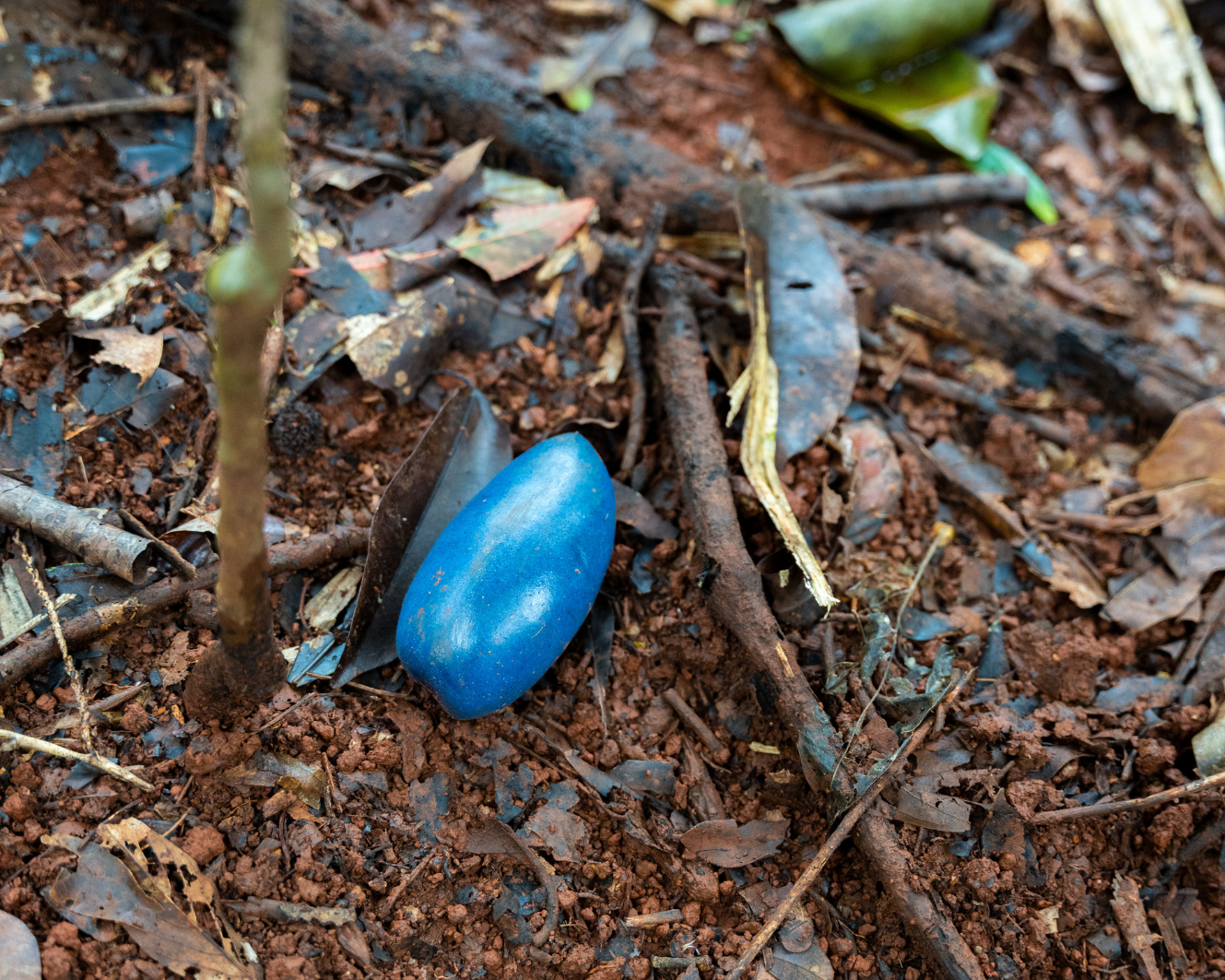
A Cassowary Plum (Cerbera floribunda) on Lot 265.
About Lot 265 Silver Ash Road
Lot 265 Silver Ash Road (RP738997) is a freehold property of 1.06 hectares (10,630 square metres) located in Cow Bay in the Daintree Lowland Rainforest, at an elevation of 13 to 44 metres. The property is zoned Conservation, Precinct 1 – General Conservation, under the Douglas Shire Planning Scheme 2018, and is classified as Category B remnant vegetation.
The property is entirely undeveloped, with closed canopy rainforest across the whole site. The only disturbance is a small entrance area, where an old vehicle and outhouse remain from a former owner. The funds raised for this project will be used for the purchase, protection and restoration of the land, and for the removal of the vehicle and outhouse to allow the small disturbed area to regenerate naturally.
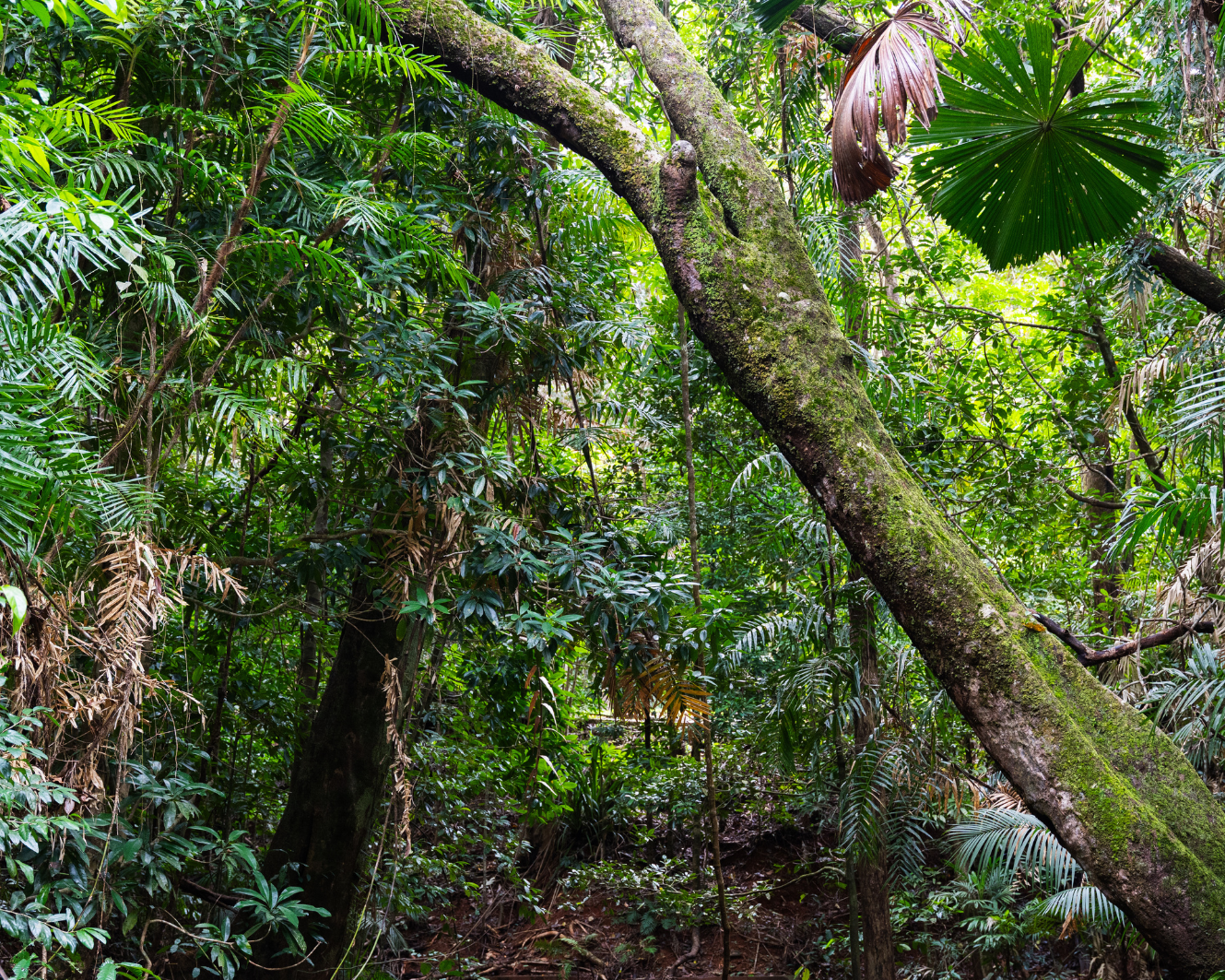
Closed rainforest canopy across every metre of Lot 265.
Conservation values of Lot 265
A survey in July 2026 by our botanist and ecologist, Kristopher Kupsch, identified 216 native plant species on the property, including 2 plants listed as Threatened Species.
The vegetation on Lot 265 comprises two Regional Ecosystems: 7.11.1a Mesophyll vine forest on metamorphics (approximately 80% of the property), listed as Least Concern, and 7.3.10a Mesophyll vine forest on moderately to poorly-drained alluvial plains (approximately 20%), listed as Of Concern under the Vegetation Management Act 1999.
A Matters of State Environmental Significance (MSES) search confirms 100% of Lot 265 is mapped as essential habitat for the Endangered Southern Cassowary. A neighbouring landholder reported cassowary sightings on or near the property every two to three days, and has also observed a Bennett's Tree-kangaroo on the block.
A Biodiversity and Conservation Values search identified Lot 265 as holding "Very High Aquatic Conservation Significance," and 100% of the property is classified as possessing "Special Biodiversity Values," including centres of endemism, wildlife refugia, disjunct populations, limits of geographical ranges, high species richness, relictual populations, variation in species populations, and climate refugia.
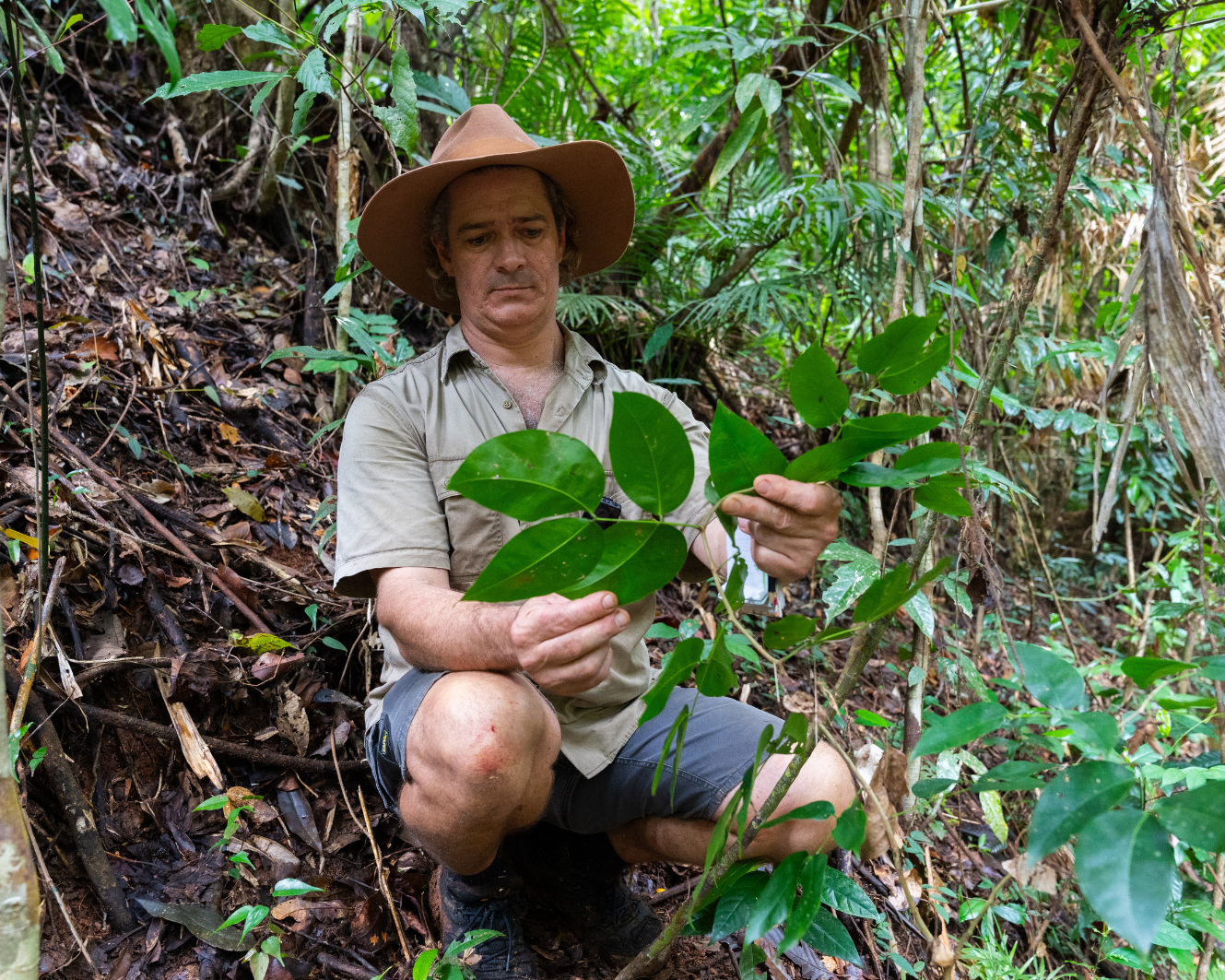
Our botanist and ecologist, Kristopher Kupsch, surveying Lot 265 Silver Ash Road.
Threatened Species
Two species of plants found on Lot 265 Silver Ash Road are listed as Near Threatened under the Queensland Nature Conservation Act 1992. Five other species were identified on Lot 265 as regionally significant.
Plant species listed as Threatened found during the survey:
Noah's Walnut (Endiandra microneura). This large tree is listed as Near Threatened under the Nature Conservation Act 1992. It is found only within the Daintree rainforests, predominantly north of the Daintree River and south of Cape Tribulation.
Daintree Gardenia (Randia audasii). This species is listed as Near Threatened under the Nature Conservation Act 1992, with a restricted distribution between Cooktown, Cairns and Atherton, where it is patchily distributed and never common. Two specimens were recorded on Lot 265.
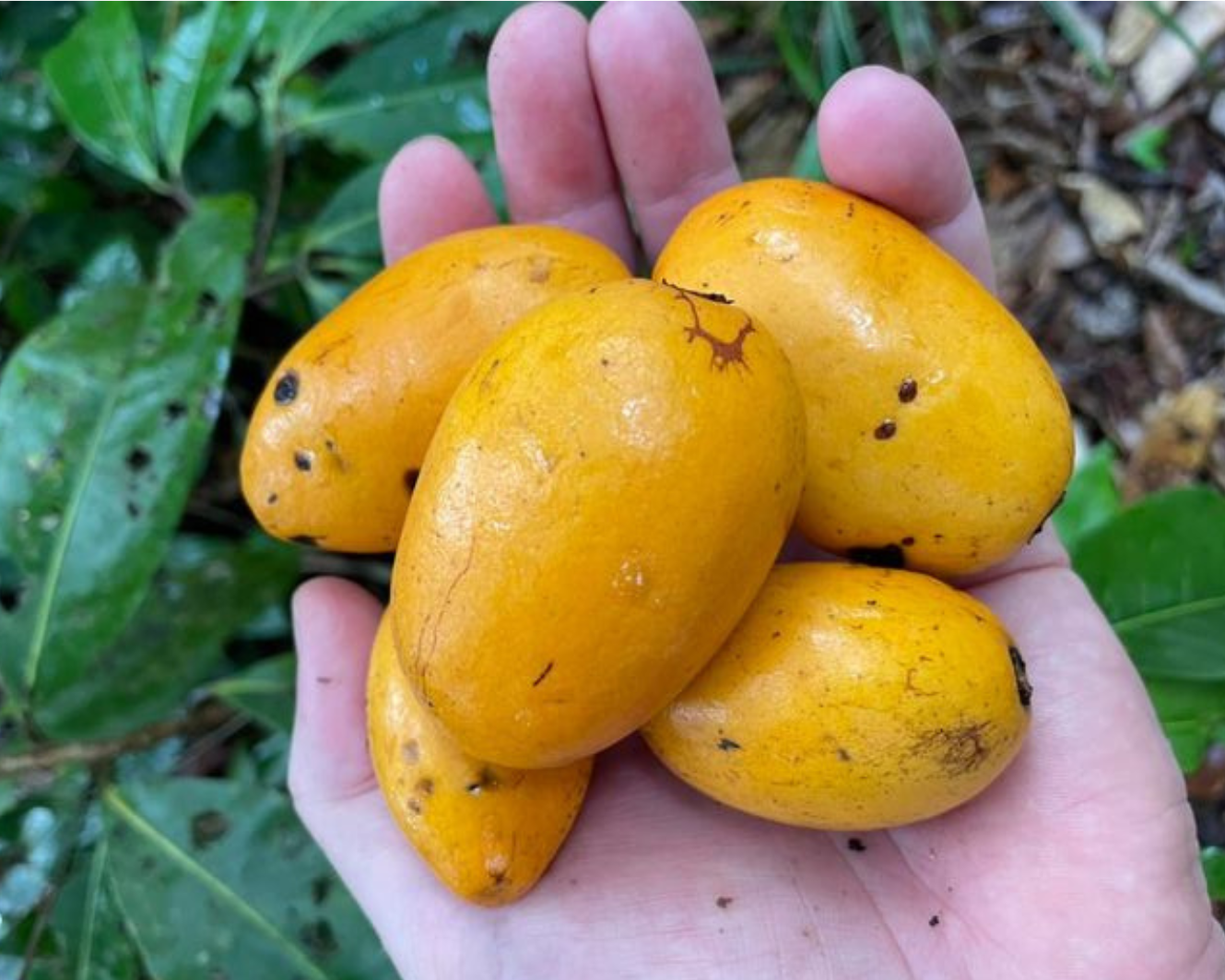
Noah's Walnut (Endiandra microneura) found on Lot 265.
Regionally significant plants occurring on Lot 265:
Daintree Cleistanthus (Cleistanthus oblongifolius). A small tree found only between the Bloomfield and Daintree rivers in lowland rainforest, and also in Southeast Asia. Identified in association with the perennial creek on Lot 265.
Daintree Foambark (Jagera madida). Restricted to lowland rainforests between Julatten and Bloomfield, though locally common over its range. Just one specimen was identified on Lot 265.
Cooper Creek Haplostichanthus (Polyalthia xanthocarpa). A small understorey shrub restricted to the Daintree lowlands, common to abundant over its range where it occurs.
Strobilanthes linearifolia. A small herbaceous herb otherwise known from Cape York and overseas. Its occurrence along the creek on Lot 265 is of conservation significance, as it marks the known southern limit of the species' range.
Daintree Satinash (Syzygium monospermum). Restricted to the Daintree lowlands between Julatten and Cape Tribulation, though locally common. Identified on the southern banks of the stream on Lot 265.
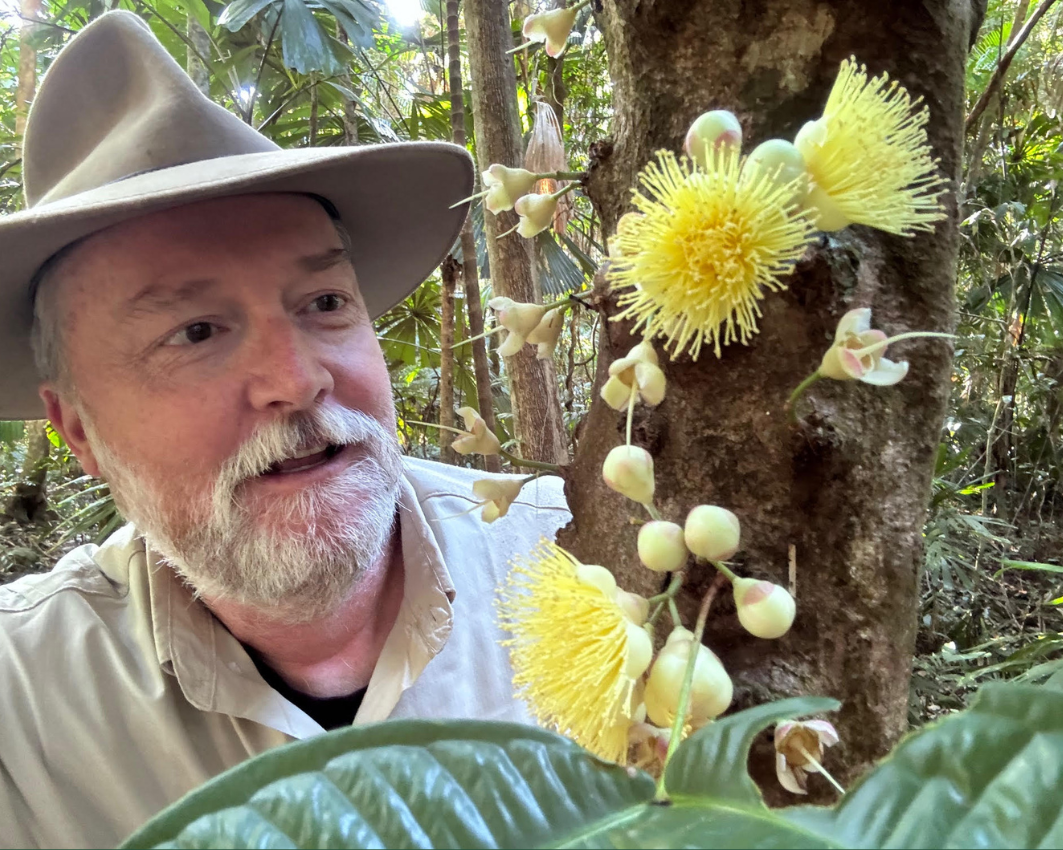
Daintree Satinash (Syzygium monospermum) found on Lot 265.
Critical habitat for the Southern Cassowary and Bennett's Tree-kangaroo
Lot 265 is mapped as essential habitat for the Endangered Southern Cassowary, with sightings reported every two to three days by a neighbouring landholder. The same neighbour has observed a Bennett's Tree-kangaroo — a near-threatened species — on the property.
Other wildlife: A Wompoo Fruit Dove (Ptilinopus magnificus) was heard calling during the survey. A permanent stream on the property provides habitat for aquatic species, with frog surveys recommended as a priority for future fauna assessment.
Other values of Lot 265: A permanent stream flows through Lot 265, fed by drainage lines from the Alexandra Range to the south. It forms part of the Cooper Creek system, which flows into the Coral Sea — a catchment of the Great Barrier Reef. Protecting Lot 265 helps safeguard water quality along this connected waterway system.
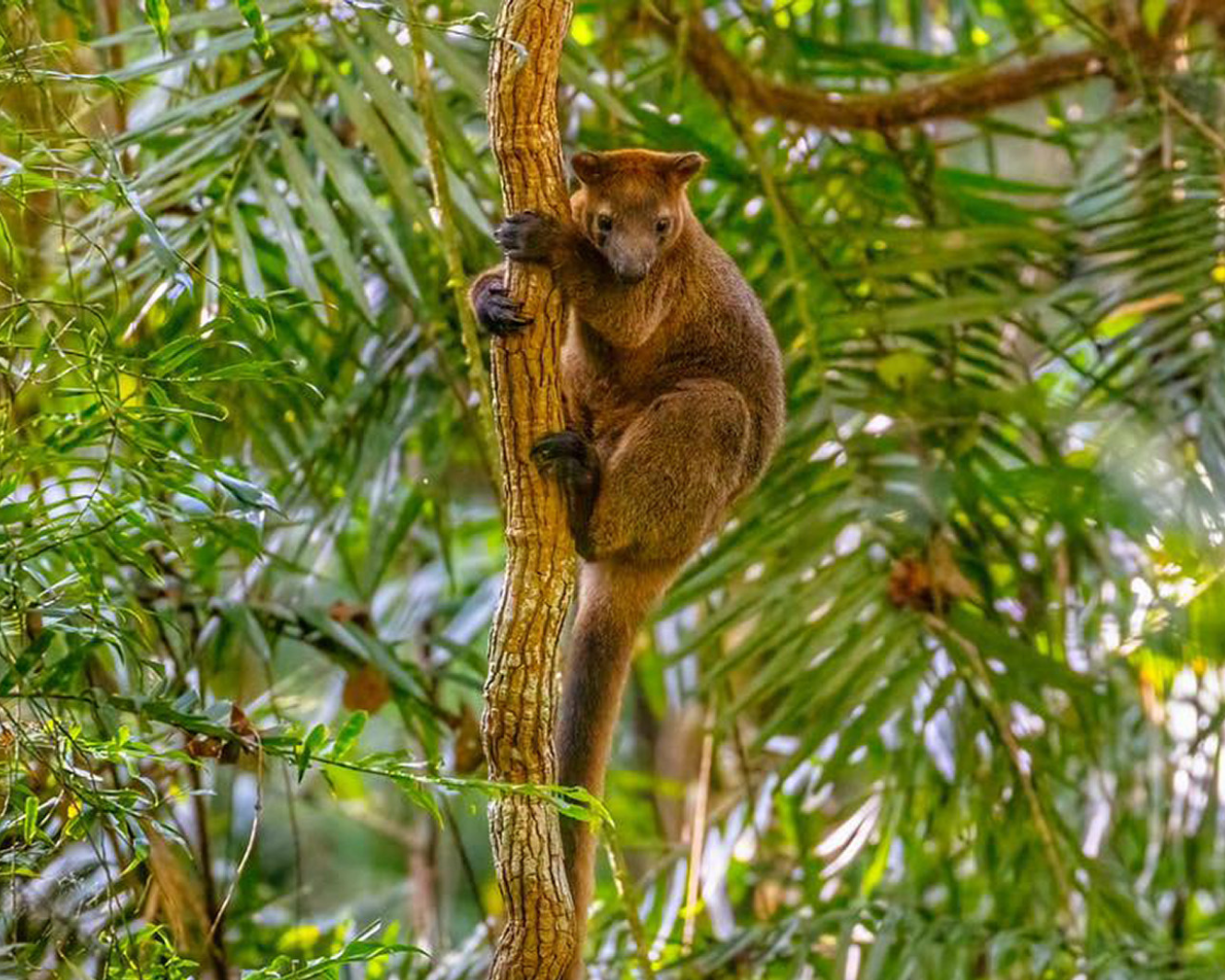
Bennett's Tree-kangaroo (Dendrolagus bennettianus) has been spotted on Lot 265.
Endangered Ecological Community
As of November 2021, the entire lowland tropical rainforest of the Daintree was listed in the Endangered category of the Threatened Ecological Communities list under the Environment Protection and Biodiversity Conservation Act 1999 (Cwlth) (EPBC Act). This listing is reserved for ecological communities that the Commonwealth Threatened Species Scientific Committee (TSSC) considers to have a high or greater chance of extinction in the wild in the medium-term future or earlier.
How are properties assessed for acquisition?
Properties are assessed by a trained ecologist who has tertiary qualifications in horticulture, botany, and rainforest science. Each property we negotiate to purchase has been given a priority acquisition score based on regional ecosystem classification, biodiversity status, protected area connectivity, canopy coverage, corridor function, proximity to settled lots, settlement risk, the existence of encroachments and encumbrances, likelihood of being added to Queensland's Protected Area Estate, and value for money in the current market. We only purchase properties freely offered to us for sale or that are available on the open market.
Do you purchase properties that have regrowth rainforest on them?
Yes, though Lot 265 is largely remnant, closed canopy rainforest. The only disturbance on the property is a small entrance area affected by a former vehicle and outhouse, which will be removed and allowed to regenerate once the property is secured.
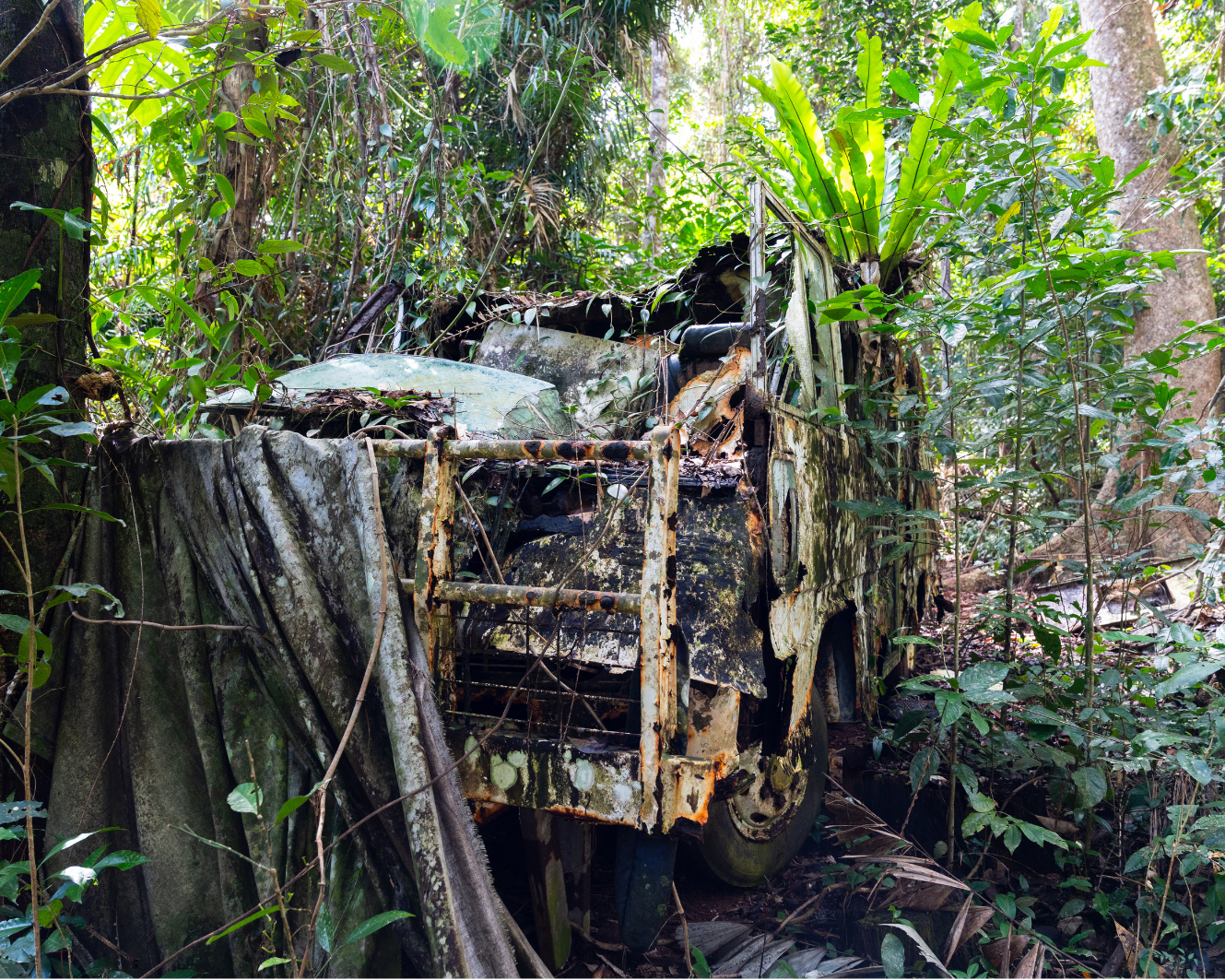
A vehicle and outhouse left behind on Lot 265 by a previous owner.
What about feral animals?
The main feral animal problem in the Daintree is pigs. Feral pig damage was noted on Lot 265 during the survey, particularly near the creek, and installation of a feral pig trap has been recommended. There are very few, if any, feral cats in the Daintree due to the number of large pythons that prey on them.
What about weeds?
Lot 265 has minimal exotic weed species. Tobacco Weed (Elephantopus mollis), a declared weed, was identified in small clearings along the creek and will be managed once the property is acquired, as we are raising funds for both land acquisition and management.
What about the risk of bushfires?
The risk of fires in this location is low, as this is one of the wettest places in Australia, and rainforest vegetation is less likely to burn. This is managed by removing exotic grasses and other flammable plants.
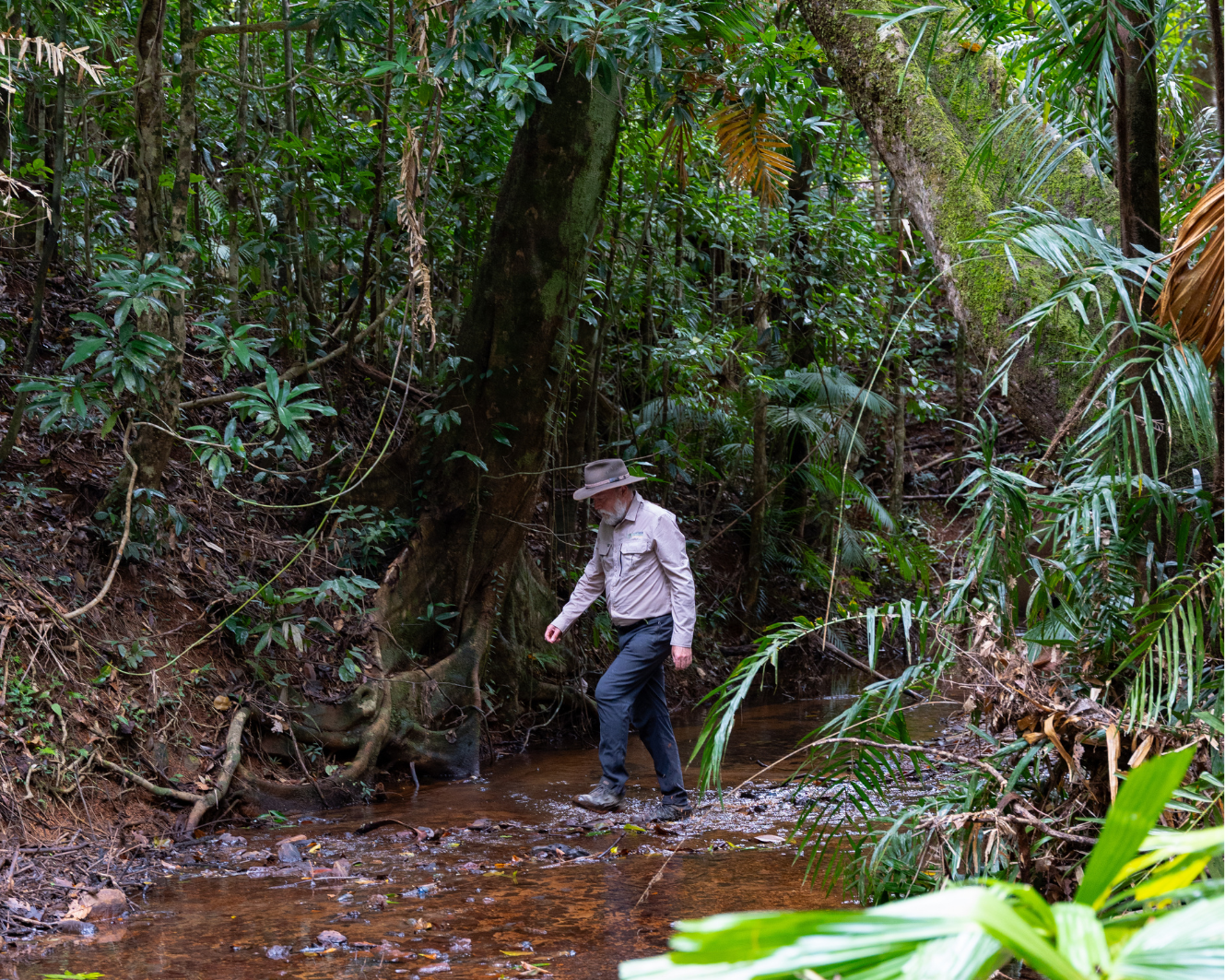
A permanent stream on Lot 265 flows to the Coral Sea via Cooper Creek.
Who is managing this project?
This project to purchase, protect and restore Lot 265 Silver Ash Road in the Daintree Lowland Rainforest is managed by Gondwana Rainforest Trust. We are registered with the Australian Government (ASIC) as a Company Limited by Guarantee (a non-profit organisation) and with the Australian Charities and Not-for-Profits Commission (ACNC).
Who will own the land?
Properties are acquired by Gondwana Rainforest Trust (ABN 49 628 358 323). Our Constitution details that we must use all money raised for charitable purposes, and restricts our activities to rainforest conservation. We ensure the land has the highest level of protection and is managed for conservation. To achieve this, properties are assessed for being declared a Nature Refuge or for inclusion in the Daintree National Park (CYPAL) estate.
What about neighbouring properties?
Lot 265 adjoins Lot 257 Silver Ash Road, which we previously purchased and which was transferred into Daintree National Park in June 2026. Securing Lot 265 will consolidate this growing corridor of protected land in Cow Bay.
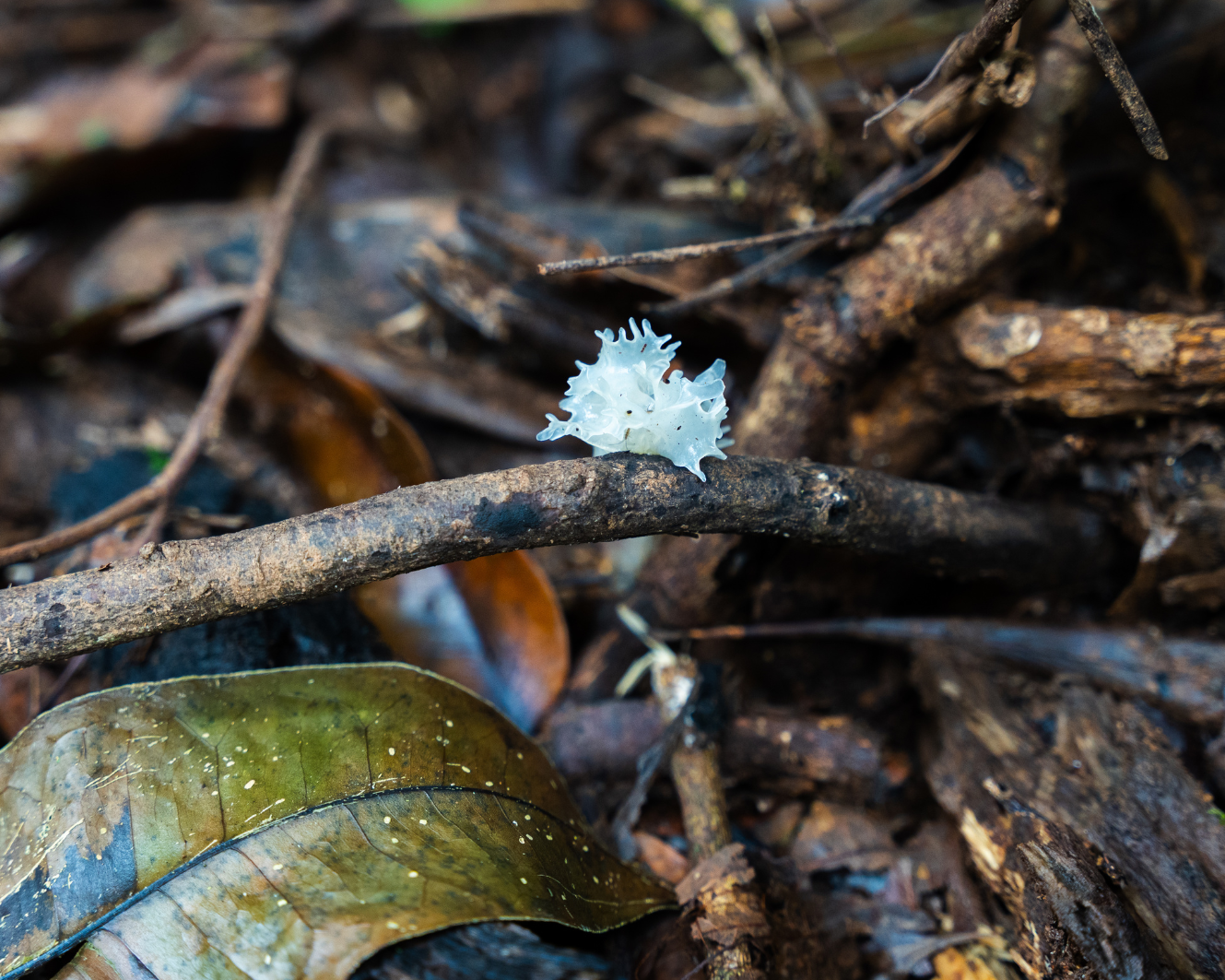
Snow Fungus (Tremella fuciformis) found on Lot 265.
Will I be able to visit the property?
Visitation may be arranged by prior agreement, subject to ecological and logistical considerations.
Has this type of buyback been done successfully before?
Yes. Since 1992, non-profit organisations have purchased ninety properties in the Daintree for conservation. Lot 265 will be our 20th property purchased in Cow Bay specifically.
How will the land be purchased?
Properties are acquired in the same manner as other freehold properties in Australia. A contract for sale is exchanged, a deposit is paid, and a settlement date is set. The purchaser and the seller will both have a conveyancer acting on their behalf.
A total of $125,000 will be raised for the project. A proportion of the funds raised will be added to the Trust's Revolving Fund to finalise the acquisition of the property and support the purchase of other high conservation value land. The balance of funds will be used to support restoration works, including removal of the vehicle and outhouse.
How much will it cost?
We’re raising $125,000 to purchase, protect and restore Lot 265 Silver Ash Road—and to keep the momentum of our highly successful Daintree land buyback program going. This will be the 39th property donors have purchased since July 2019, providing the highest level of protection for another precious piece of the Daintree Lowland Rainforest and continuing our long-term commitment to securing and restoring threatened rainforest properties across the region.
We receive pro bono support for conveyancing and are exempt from government transfer fees (stamp duty).
How your donation will be used
Your donation will help us purchase, protect, restore and plan for the future of the Daintree Rainforest.
Purchase: Funds will contribute to the purchase of Lot 265 Silver Ash Road, including the administration and legal processes required to complete the acquisition and secure the property.
Protection: Our ecologist will assess the property, undertake a survey and prepare a report identifying its conservation values and management needs. We will then work through the process of seeking its addition to Daintree National Park (CYPAL), providing the highest level of ongoing protection.
Restoration: Funds will support the removal of infrastructure and rubbish left behind by previous owners, together with the removal and control of weeds. This work will help return the property to a healthier natural state and prepare it for long-term ecological restoration.
Planning: A contribution will also support a review of priorities for future land acquisitions in the Daintree. This strategic work will help us identify the properties where our efforts can have the greatest conservation impact and keep the momentum of the land buyback program going as we work towards our long-term goal of saving the Daintree Rainforest.
What happens if the target is exceeded?
Any funds raised above the target will be directed toward the purchase of additional high conservation value rainforest properties. There are approximately 130 remaining freehold properties in the Daintree region that warrant protection.
If the fundraising target is not achieved, what will happen to my donation?
All funds raised will be applied to rainforest land purchase, protection or restoration within the Daintree region in line with the Trust's constitutional purposes. Donations are used exclusively for charitable rainforest conservation activities.
Please donate now to help purchase, protect and restore Lot 265 Silver Ash Road.