Habitat: From harsh deserts to lush rainforests, found in every habitat and state of Australia except Tasmania
Life span: 7–13 years in the wild
Scientific name: Canis familiaris dingo
Conservation status: Listed as Vulnerable to extinction under the International Union for Conservation of Nature (IUCN). Dingoes are considered native wildlife under the Nature Conservation Act 1992 and are protected in most national parks. Outside of national parks in Queensland, dingoes are a restricted invasive animal under the Biosecurity Act 2014 and must not be moved, fed, given away, sold, or released into the environment without a permit
About
The dingo is Australia's only native canid and the largest carnivorous mammal. They descended from South Asian wolves, thought to have arrived around 4,000 years ago; however, research about their timing and origin is still ongoing. They hold a significant place in the spiritual and cultural practices of many Traditional Owner communities — often featuring prominently in Dreaming stories, which are a central part of their spirituality.
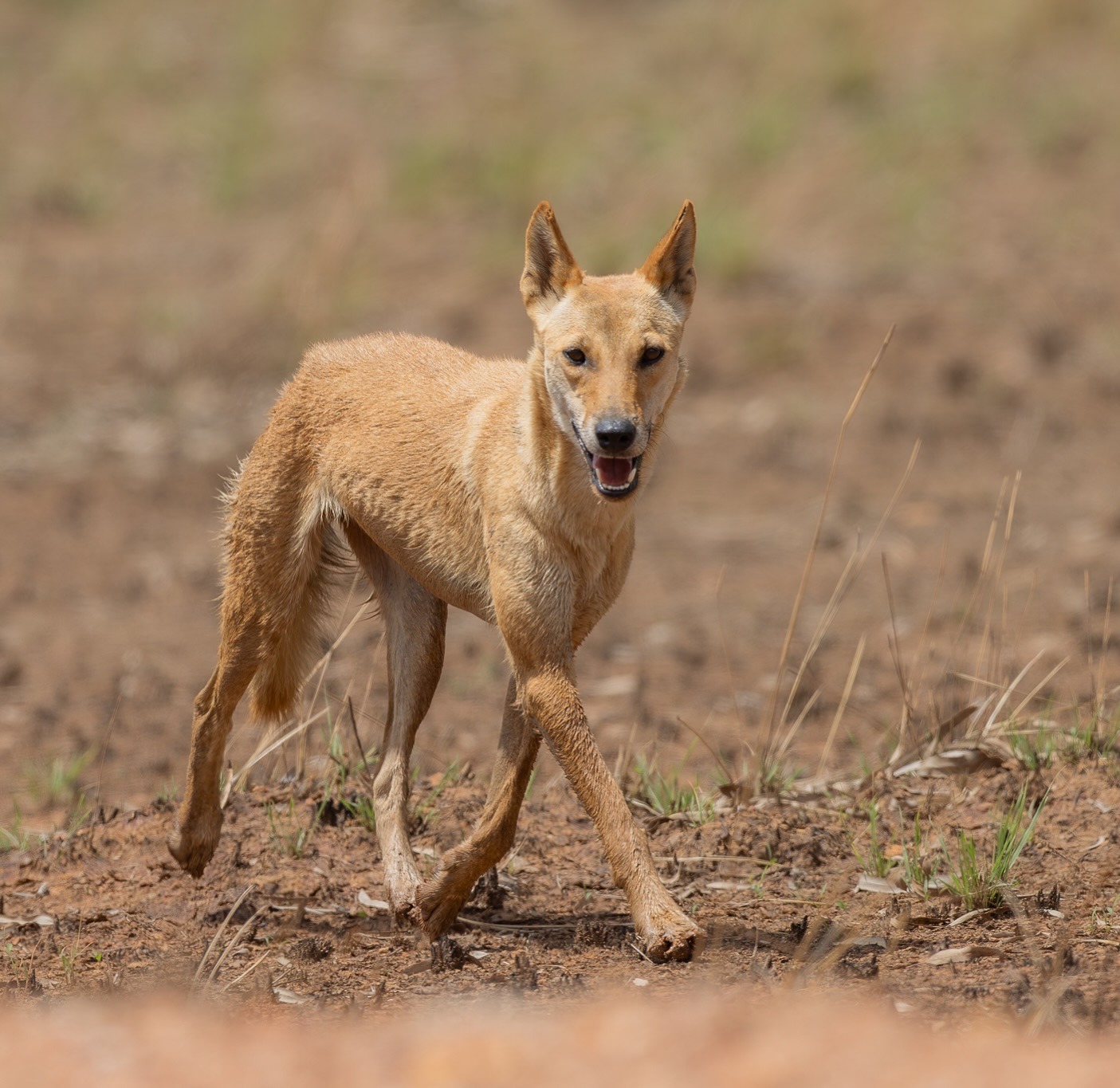
Canis familiaris dingo. Image by David White
Description
Dingoes are medium-sized, around 60cm tall, lean, and highly agile animals. According to the Journal of Zoology, 53 per cent of dingoes have a ginger coat colour, 9 per cent sable, 11 per cent black and tan, 14 per cent brindle, 5 per cent black, 1 per cent white and 6 per cent were patchy (white with spots of ginger or black). No coat colour distinguishes dingoes from dingo–dog hybrids, a study involving UNSW Sydney has found.
Most have a bushy tail, pointy ears, and white markings on the chest, feet, and tail tip. Adults usually weigh between 13–23kg, depending on geographic location and other factors such as genetics.
Feeding
Dingoes are generalist carnivores equipped with canine teeth, and they primarily hunt mostly at dawn and dusk (crepuscular hunters). Their diet includes small to medium-sized native mammals, birds, reptiles, and, when native prey is scarce, dingoes may also hunt domestic animals and livestock. They also eat fish, crustaceans, insects, eggs and fruit, and will feed on carcasses where available. Dingoes tend to hunt alone but will form larger packs when targeting bigger animals. They also eat human-sourced food such as unsecured scraps and dumped rubbish. As this is harmful for wildlife, please never feed dingoes or other animals.
Behaviour
Dingoes live alone or in small family groups. They breed once a year, typically after reaching the age of one, but generally after their second year, with litters of 4 to 10 pups. Alloparenting is observed within dingo packs, with non-breeding individuals assisting the parents in feeding and rearing pups that aren’t their own. They mainly communicate with wolf-like howls and rarely bark.
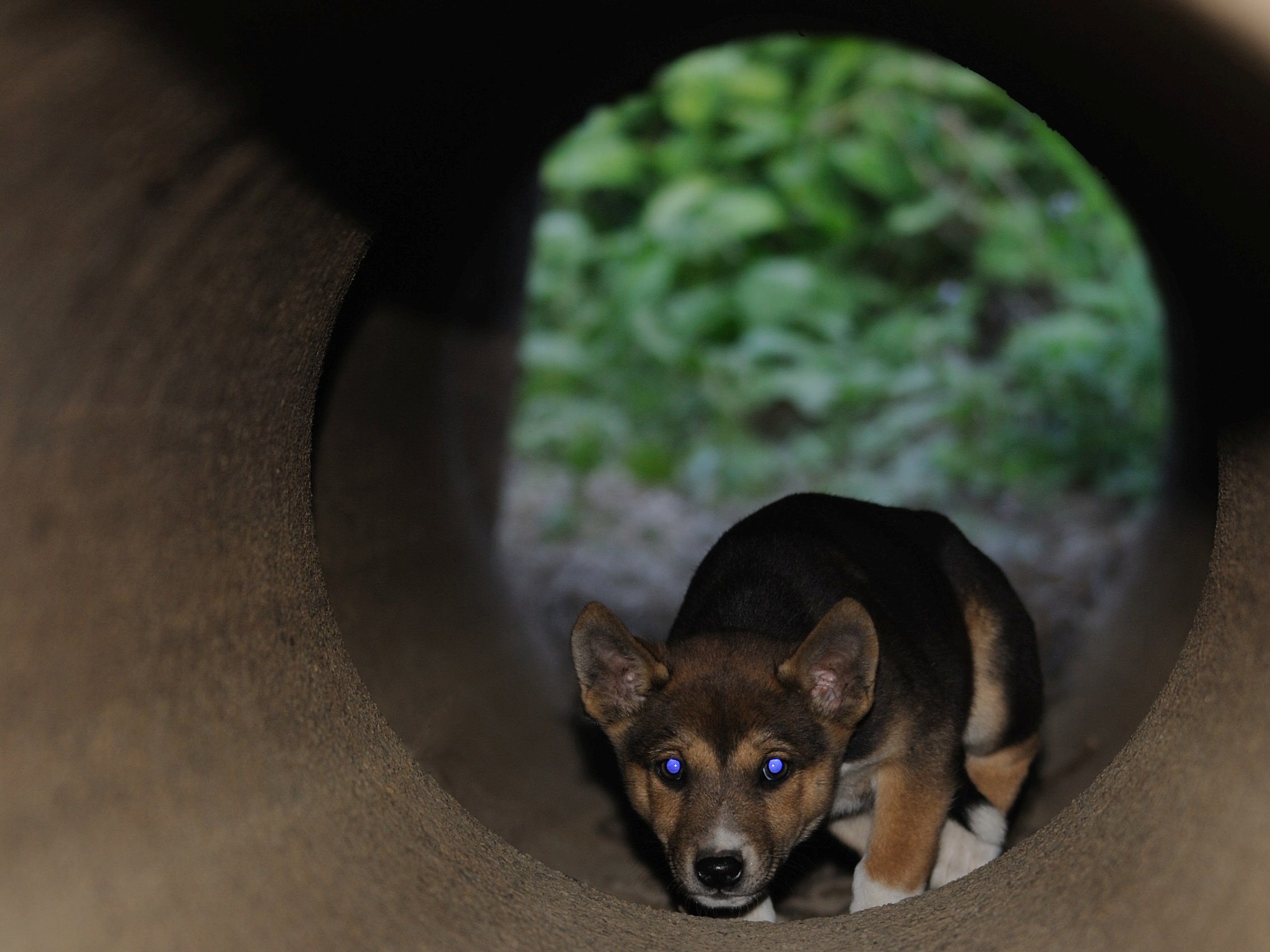
A dingo pup near Cairns. Image: Damian Morrant
Why they matter
As apex predators, dingoes play a crucial ecological role in the natural environment, helping to maintain healthy, balanced ecosystems. According to the Queensland Government Dingo overview, they also prey on and may alter the behaviour of feral animals such as feral cats and foxes, which may aid the survival of native species.
According to Dr Morrant, a scientist and researcher from James Cook University, where the predominant land use is sugarcane production and livestock are scarce in the Wet Tropics, some landholders believed dingoes provided a benefit by preying on agricultural pests. “Maximising the benefit provided by dingoes while minimising negative impacts requires a more targeted approach. That means making assessments and mitigating impacts only specifically where circumstances show particular packs are a conservation or economic threat,” he said.
A connected rainforest is essential for healthy ecosystems. You can help protect vital habitat in the Daintree here.