Habitat: Tropical lowland rainforests of Queensland, Australia
Distribution: Endemic to North East Queensland, restricted to the area between the Daintree River and Cape Tribulation
Conservation status: Near Threatened under Queensland’s Nature Conservation Act 1992
Scientific name: Ryparosa kurrangii
Common names: Daintree Ryparosa
About
The Ryparosa kurrangii, also known as the Daintree Ryparosa, is a remarkable tree species endemic to the lowland tropical rainforests of Queensland, Australia, and one of the rarest tree species in the Daintree Rainforest — the world's oldest continuously surviving tropical rainforest. This unique environment supports extraordinary biodiversity and intricate ecological interactions, making it a vital component of its ecosystem.
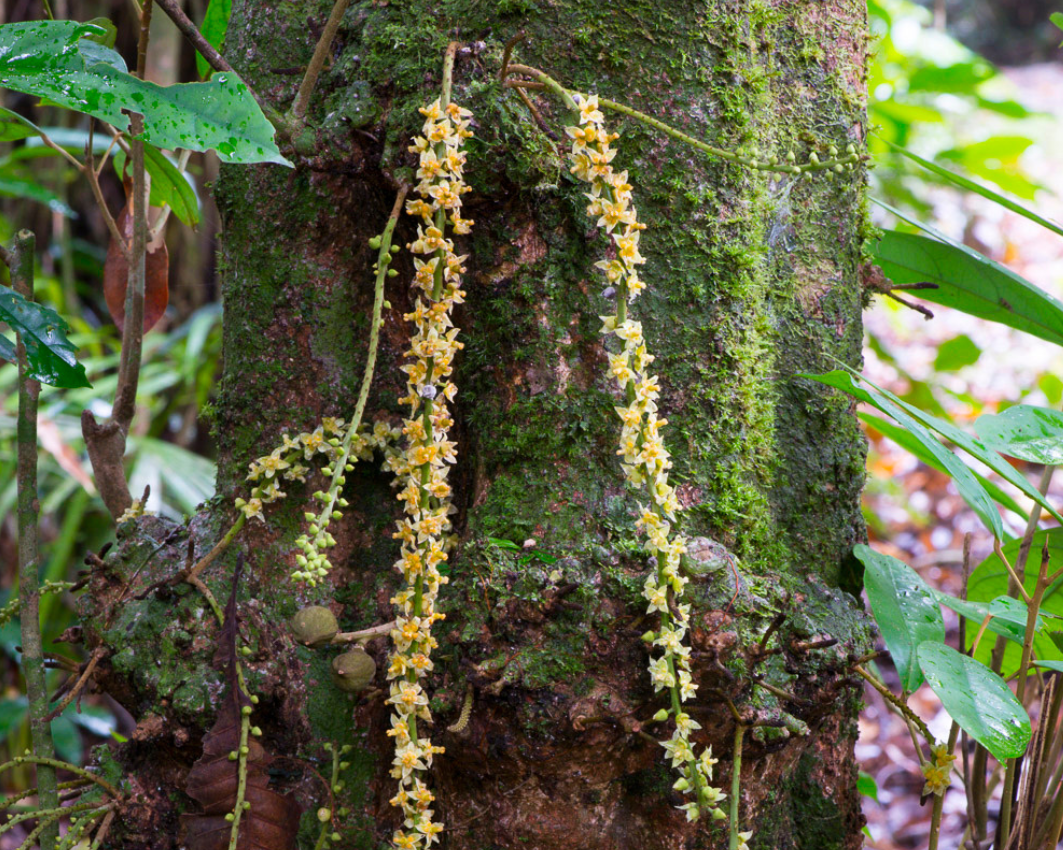
Ryparosa kurrangii, also known as the Daintree Ryparosa. Image: Steven Nowakowski
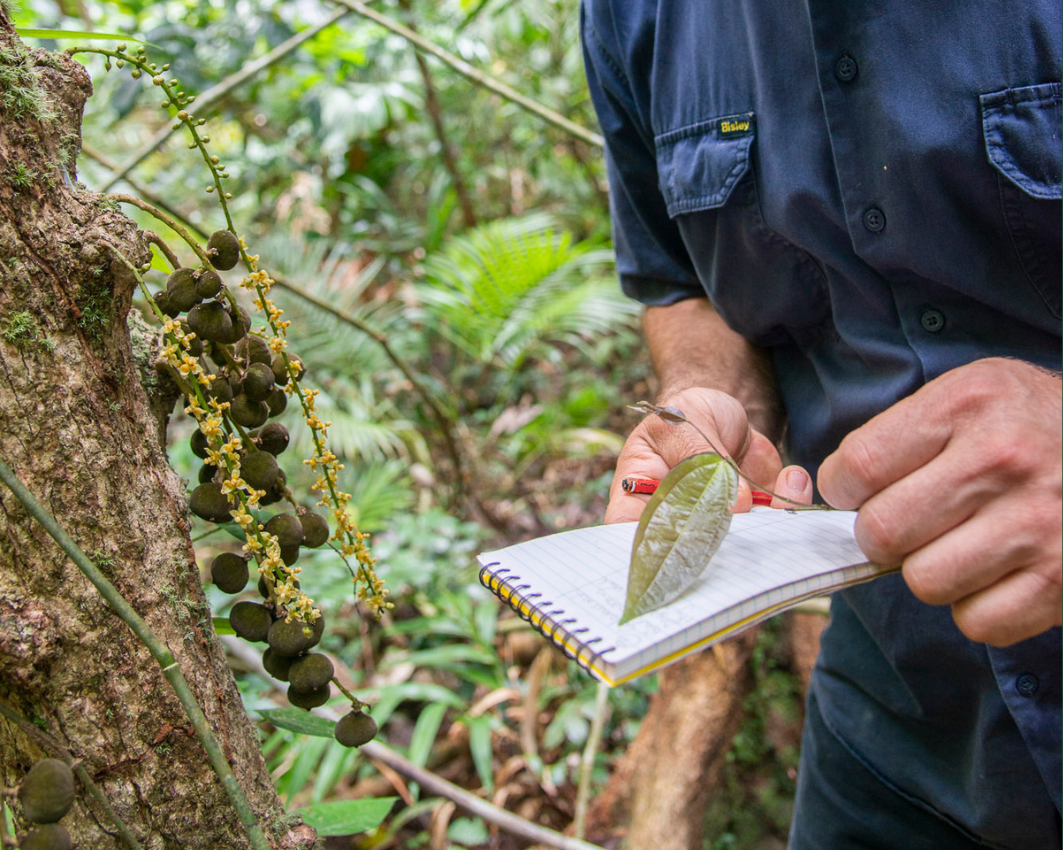
One of the most fascinating features of the Daintree Ryparosa is its cauliflory, where flowers and fruits grow directly from the trunk and main branches. This adaptation enables rainforest animals, including the Southern Cassowary, to have easier access to the tree's flowers and fruits. The tree typically grows to a height of 15-20 metres and has dark green, glossy, and leathery leaves. Its small yellow-green flowers bloom from June to September, followed by fruits that mature from October to December. Drupes are covered in dark hairs and turn from dark green to yellow-orange as they ripen.
The Daintree Ryparosa has a symbiotic relationship with the Southern Cassowary. During his PhD research, Dr Bruce Webber found that the tree’s seeds germinate more successfully after the fruit is eaten and passed through cassowaries. His work also confirmed that the species was previously unknown to Western science. In consultation with Eastern Kuku Yalanji Traditional Owners, the tree was given a new scientific name that reflects its ecological relationship with cassowaries, drawing on kurrangi, the Kuku Yalanji word for cassowary.
Distribution
The Daintree Ryparosa is endemic to the lowland tropical rainforests of Queensland, Australia, specifically within the Daintree region, between the Daintree River and Cape Tribulation. This area, known for its ancient and biodiverse rainforest ecosystem, provides the ideal habitat for this unique tree species, including high humidity, abundant rainfall, and rich, moist soil. The tree's survival is closely linked to the health of its rainforest habitat and the presence of the Southern Cassowary, which plays a crucial role in seed dispersal. The limited distribution of the Daintree Ryparosa makes it vulnerable to habitat loss and environmental changes.
Fun Fact: This tree is named after the local Eastern Kuku Yalanji word for 'Cassowary,' highlighting the crucial role this bird plays in the tree's germination process.
Growth and threats
The tree's growth is characterised by its cauliflory, where flowers and fruits grow directly from the trunk and main branches. This adaptation enables rainforest animals to access the tree's flowers and fruits more easily, which grow in clusters on the lower trunk and emit a strong, sweet fragrance. The tree's leaves are dark green, glossy, and leathery, with a distinctive lance-shaped outline and smooth edges. Its small yellow-green flowers bloom from June to September, followed by fruits that mature from October to December.
However, the Daintree Ryparosa faces several threats that put its survival at risk. The primary threats include habitat loss due to deforestation and land development, which reduce the available rainforest area for the trees to grow. Additionally, the decline in the population of the Southern Cassowary, a crucial seed disperser for the tree, poses a significant threat to its survival.
Conservation efforts are focused on protecting the remaining rainforest habitat and supporting the cassowary population to ensure the survival of this rare and ecologically significant tree species.
A connected rainforest is essential for healthy ecosystems. You can help protect vital habitat in the Daintree here.